WELCOME TO THE WEBSITE OF TASHA KHEIRIDDIN, WRITER, COMMENTATOR, SPEAKER AND STRATEGIC ADVISOR
With twenty-five years of media and communications experience,
Tasha is one of Canada’s best-known political analysts, thought leaders and media personalities.
Named as one of Canada’s “Top 100 Most Powerful Women” for her work in media and communications by the Women’s Executive Network, Tasha is a best-selling author, national political columnist for Postmedia in Canada, a writer for La Presse in Quebec and GZero Media in New York, author of In My Opinion on Substack, and a political analyst for Radio Canada. Fluently bilingual, Tasha provides media commentary in both English and French and is a sought-after speaker, emcee and moderator. She is represented by adn-conferenciers.
Recent Media
This weekend, the U.S. paused its participation in an organization most Canadians have likely never heard of: the Permanent Joint Board on Defence. It was established in 1940, following U.S. President Franklin Delano Roosevelt’s pledge that the U.S. would defend Canada if it were attacked, and Prime Minister William Lyon Mackenzie King’s promise that “enemy forces should not be able to pursue their way, either by land, sea or air to the United States across Canadian territory.” The board met some 42 times during the Second World War and most recently convened every six months — until now. Read more
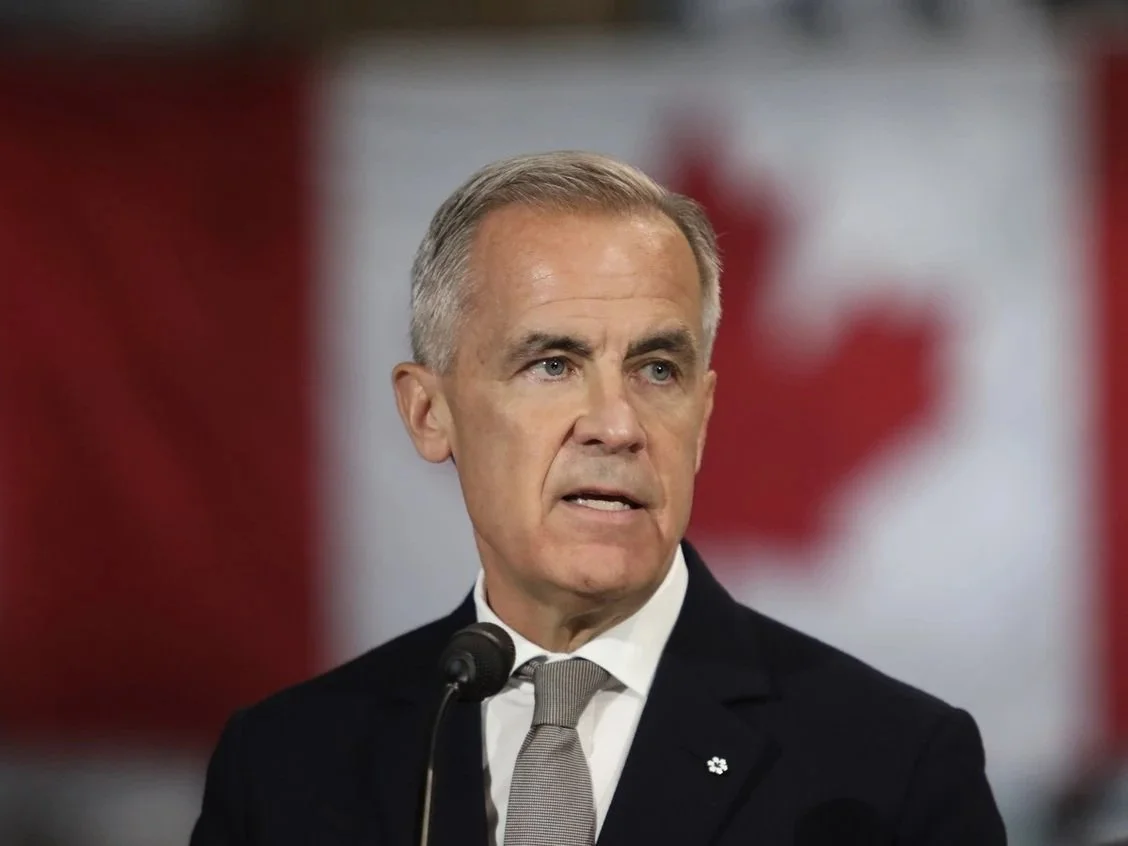
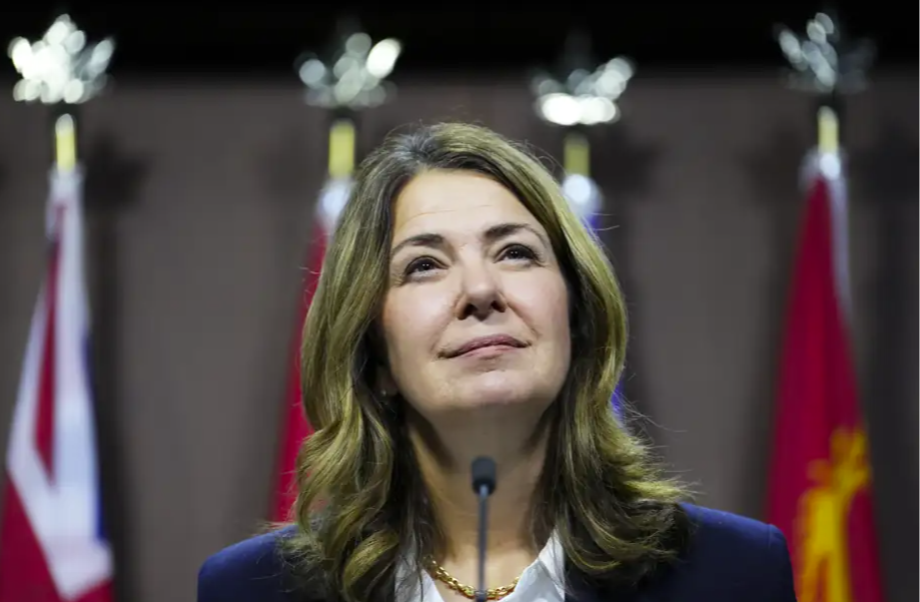
Prime Minister Mark Carney is avidly wooing the west — but will his own caucus trip him up? Last Friday, Carney met with Alberta Premier Danielle Smith to reassure her that Ottawa’s got her back on a second bitumen pipeline from Alberta to Canada’s West Coast. After the tête-à-tête Smith said, “This morning I said ‘if’ a deal gets signed, and afterwards I said ‘when’ a deal gets signed,” describing it as “an indication of my improved level of confidence.” Read more here
If it’s Tuesday, this must be Belgium. If you’re old enough to remember this 1969 film, where a busload of hapless tourists barrel across Europe on an 18-day tour of nine cities, you probably voted Liberal in the past election, like most of Canada’s baby boomers. And you’re probably happy with the way things are going so far. But you may not have expected Prime Minister Mark Carney to rack up quite so much time across the pond.
Congratulations, Canada! On Monday, our nation joined an exclusive club: countries with sovereign wealth funds. Norway, Kuwait and other resource-rich nations have long tapped royalties and budget surpluses to fund investment vehicles: in this era of geopolitical uncertainty and an erratic neighbour, Prime Minister Mark Carney thinks it’s time Canada does the same.
Dernières mises à jour en français
VIDEO ICI. Le Manitoba compte devenir la première province canadienne à déposer un projet de loi afin d’interdire aux jeunes d’accéder aux réseaux sociaux, mais aussi aux agents conversationnels générés par IA. Est-ce une bonne idée? Les détails avec Juliette Straet, suivi des avis de Tasha Kheiriddin et de Jacques Létourneau
L’atteinte d’une majorité libérale via les élections partielles et les défections conservatrices soulèvent de nouvelles questions quant au leadership de Pierre Poilievre, quelques mois à peine après avoir obtenu plus de 87% d’appui lors de sa révision de leadership. Avant d'entrer à leur réunion, des députés conservateurs ont toutefois rejeté les inquiétudes concernant la performance du parti et l'unité au sein du caucus. Tasha Kheiriddin, analyste conservatrice, et Dimitri Soudas, ancien directeur des communications de Stephen Harper se penchent avec Marc-André Cossette sur la situation difficile de M. Poilievre
La première ministre de l’Alberta, Danielle Smith, pourrait être en train de tracer sa propre « troisième voie » pour l’Alberta, en insistant pour qu’Ottawa inscrive un deuxième oléoduc vers le Pacifique sur sa liste de « grands projets » d’intérêt national. C’est un pari qui pourrait conduire la province à se détacher du pays – voire à rejoindre les États-Unis.
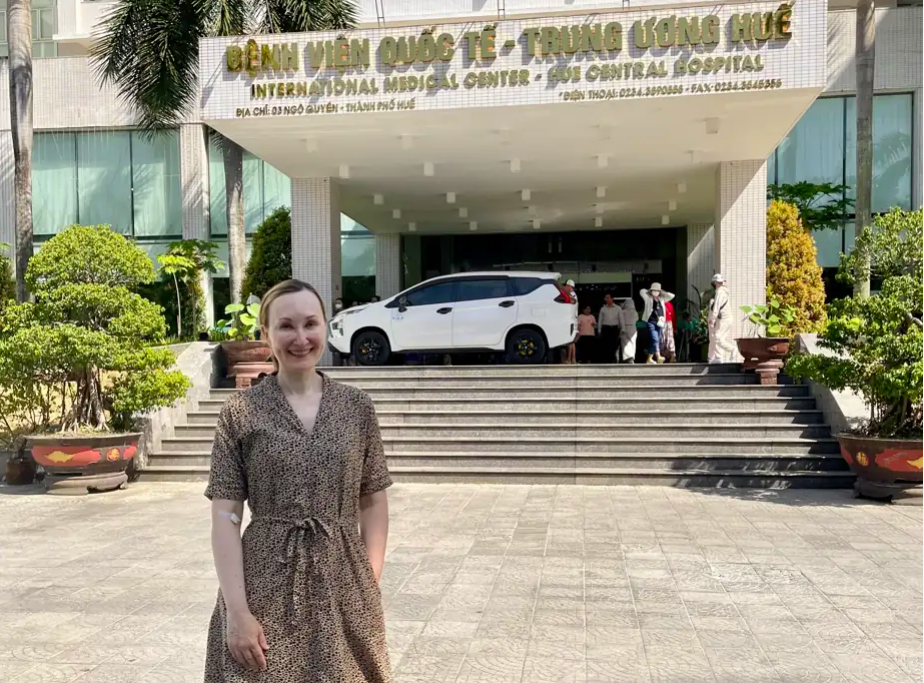
« Nous devons vérifier s’il s’agit d’un cancer. » S’il y a des mots que l’on ne veut jamais entendre de la bouche de notre médecin, ceux-là figurent en tête de liste. Je les ai entendus le 3 juillet. J’étais abasourdie. On m’avait diagnostiqué deux gros fibromes utérins, une affection assez courante : de 70 à 80 % des femmes âgées de plus de 50 ans en souffrent. Ce sont des tumeurs bénignes qui peuvent causer des menstruations abondantes, des douleurs abdominales, des ballonnements et des troubles digestifs si elles exercent une pression sur les intestins.