WELCOME TO THE WEBSITE OF TASHA KHEIRIDDIN, WRITER, COMMENTATOR, SPEAKER AND STRATEGIC ADVISOR
With twenty-five years of media and communications experience,
Tasha is one of Canada’s best-known political analysts, thought leaders and media personalities.
Named as one of Canada’s “Top 100 Most Powerful Women” for her work in media and communications by the Women’s Executive Network, Tasha is a best-selling author, national political columnist for Postmedia in Canada, a writer for La Presse in Quebec and GZero Media in New York, author of In My Opinion on Substack, and a political analyst for Radio Canada. Fluently bilingual, Tasha provides media commentary in both English and French and is a sought-after speaker, emcee and moderator. She is represented by adn-conferenciers.
Recent Media
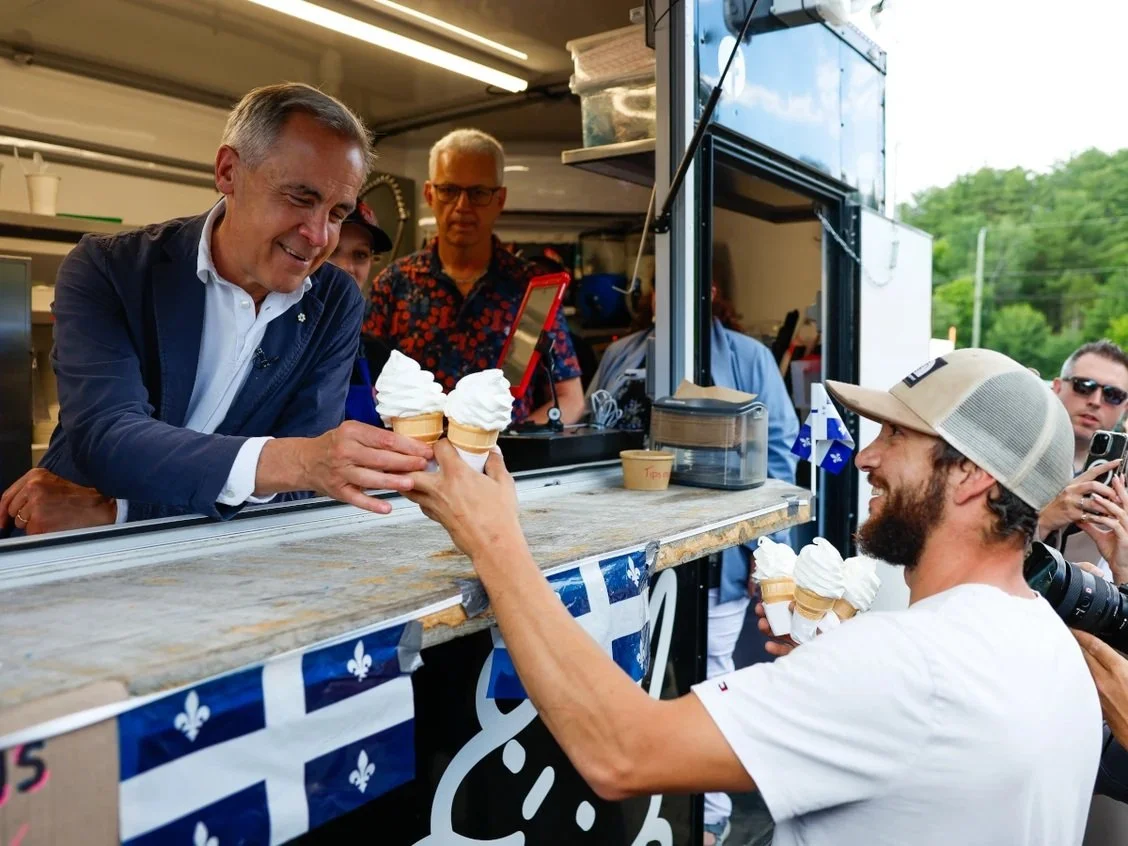
Do politicians start parades, or merely get in front of them? That’s a question Canadians might be asking this week, following news that the government was polling them on the issue of oil pipelines last fall — just days before Prime Minister Mark Carney announced an agreement with Alberta to explore building a new one to B.C.
Is Canada ready to surf a socialist wave? After the shock victories of three hard-left candidates in last week’s U.S. Democratic primaries, voters and their leaders may wonder whether our country could elect the likes of “democratic socialists” Darializa Avila Chevalier, Brad Lander and Claire Valdez. Chevalier is particularly radical: in a since-deleted X post she wrote “I forgot to get napkins so I just wiped my hand on the American flag behind me.” She also called for abolishing borders and founded an anti-Israel organization at Columbia University that demanded “the total eradication of Western civilization.”
Is there hope for the Canada-United States-Mexico Agreement (CUSMA)? For over a year, Canada-U.S. trade talks have been testy at best, in a deep freeze at worst.
U.S. President Donald Trump mocked us as the “51st state,” put tariffs our steel, aluminum and autos, and claimed that America doesn’t need anything we’re selling. Prime Minister Mark Carney declared that Canada must reduce its dependence on the U.S., circled the globe inking foreign trade deals and became the darling of Davos for his vision of “middle power” alliances.
This week, Prime Minister Mark Carney will announce a ban on social media for kids under 16 . There will be exemptions, and we haven’t seen the details yet, but Canadians should applaud this move. I believe in personal freedom but also in science, and in protecting kids from harm. And every day, we see more evidence of the damage social media does to children.
Dernières mises à jour en français
VIDEO ICI. Le Manitoba compte devenir la première province canadienne à déposer un projet de loi afin d’interdire aux jeunes d’accéder aux réseaux sociaux, mais aussi aux agents conversationnels générés par IA. Est-ce une bonne idée? Les détails avec Juliette Straet, suivi des avis de Tasha Kheiriddin et de Jacques Létourneau
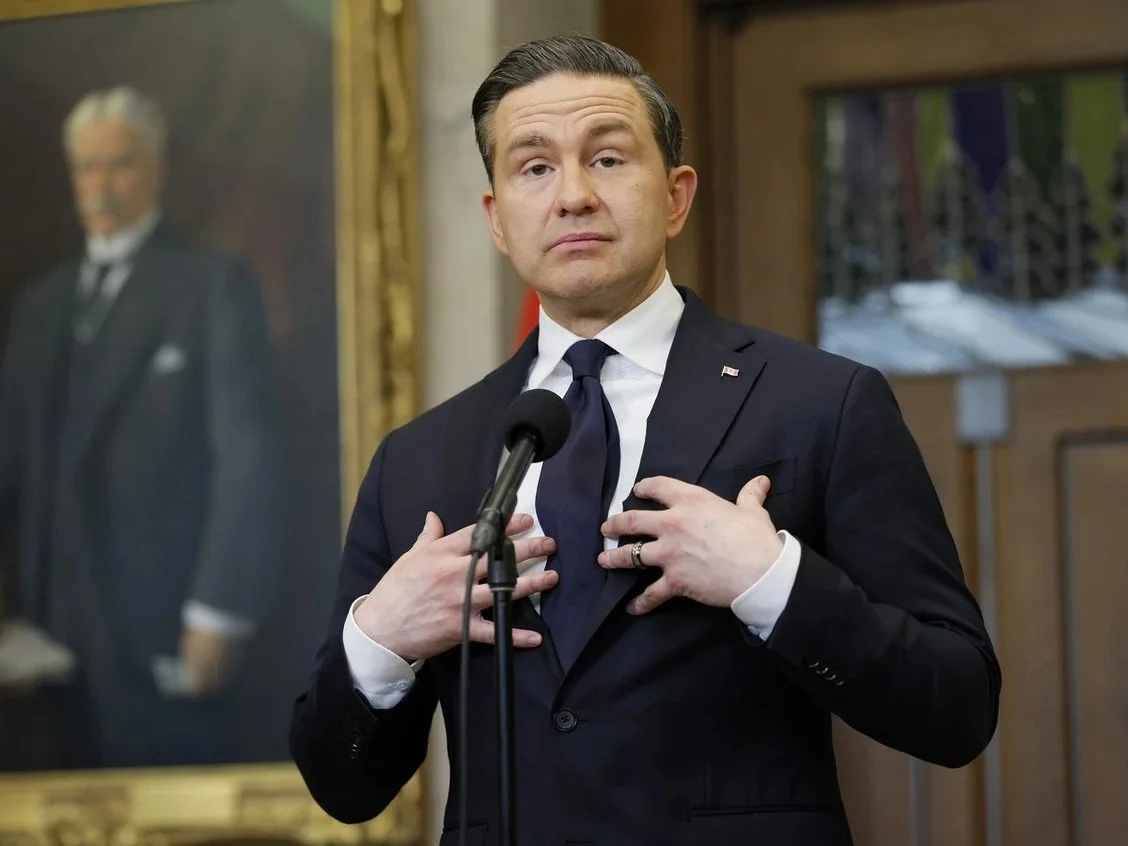
L’atteinte d’une majorité libérale via les élections partielles et les défections conservatrices soulèvent de nouvelles questions quant au leadership de Pierre Poilievre, quelques mois à peine après avoir obtenu plus de 87% d’appui lors de sa révision de leadership. Avant d'entrer à leur réunion, des députés conservateurs ont toutefois rejeté les inquiétudes concernant la performance du parti et l'unité au sein du caucus. Tasha Kheiriddin, analyste conservatrice, et Dimitri Soudas, ancien directeur des communications de Stephen Harper se penchent avec Marc-André Cossette sur la situation difficile de M. Poilievre
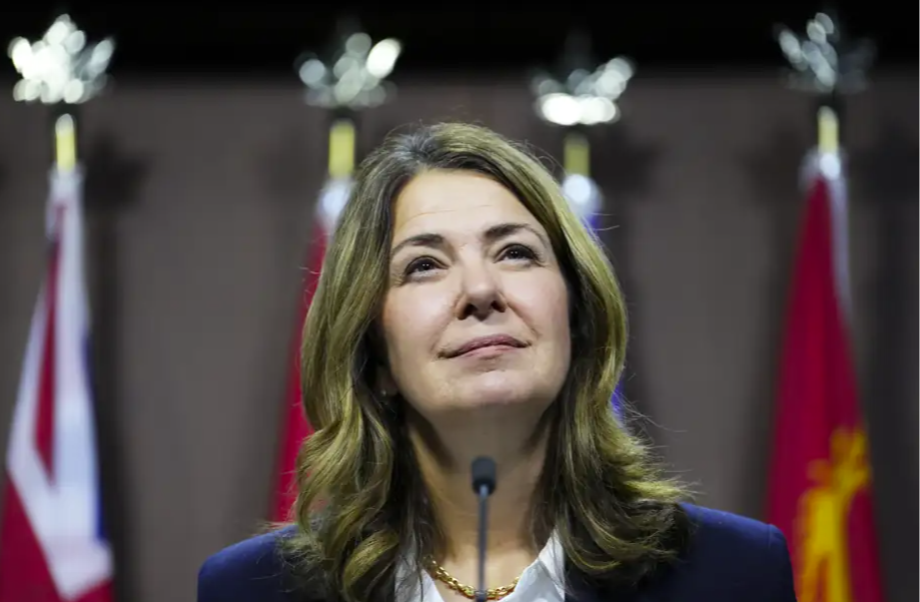
La première ministre de l’Alberta, Danielle Smith, pourrait être en train de tracer sa propre « troisième voie » pour l’Alberta, en insistant pour qu’Ottawa inscrive un deuxième oléoduc vers le Pacifique sur sa liste de « grands projets » d’intérêt national. C’est un pari qui pourrait conduire la province à se détacher du pays – voire à rejoindre les États-Unis.
« Nous devons vérifier s’il s’agit d’un cancer. » S’il y a des mots que l’on ne veut jamais entendre de la bouche de notre médecin, ceux-là figurent en tête de liste. Je les ai entendus le 3 juillet. J’étais abasourdie. On m’avait diagnostiqué deux gros fibromes utérins, une affection assez courante : de 70 à 80 % des femmes âgées de plus de 50 ans en souffrent. Ce sont des tumeurs bénignes qui peuvent causer des menstruations abondantes, des douleurs abdominales, des ballonnements et des troubles digestifs si elles exercent une pression sur les intestins.