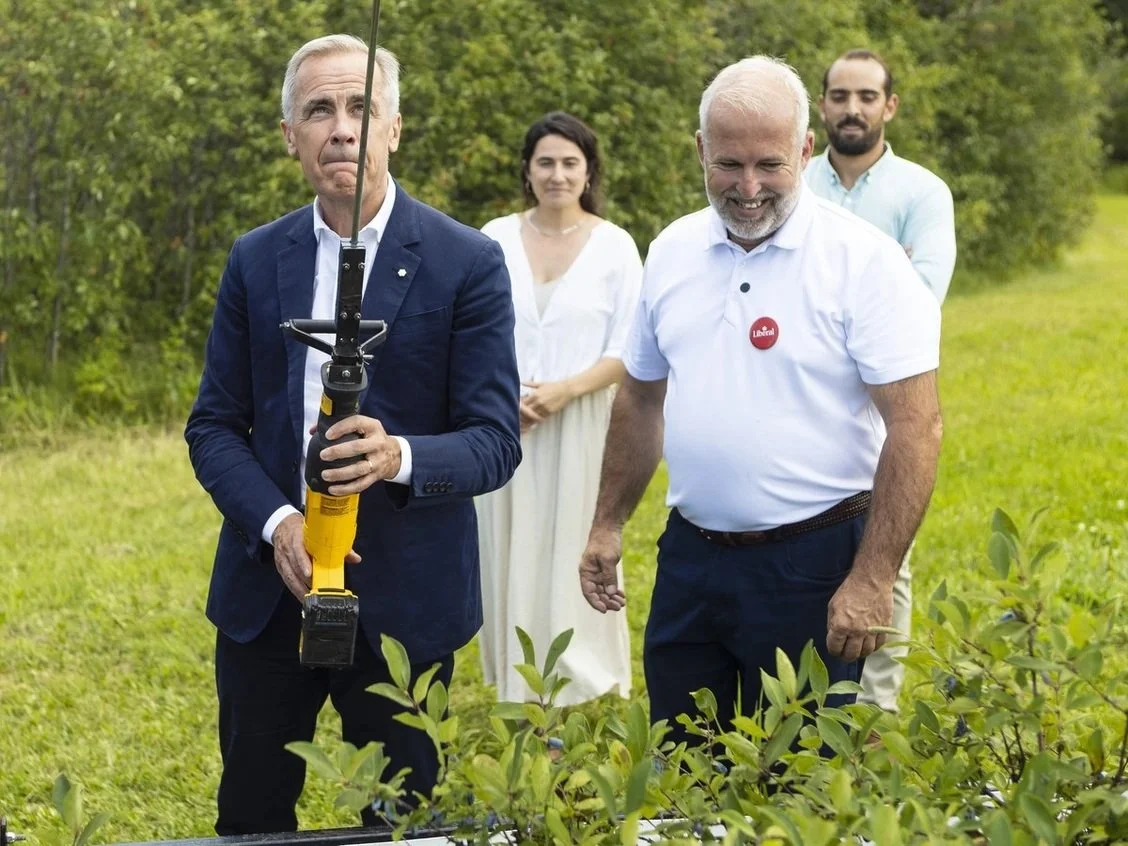
Liberal byelection sweep cements Carney's flag-rallying strategy
“It’s a great time to be a Liberal in Canada.”
Those were the words of a smiling Tanveer Shahnawaz, the Liberal candidate in Beaches—East York, celebrating his victory Monday night. They may also be the political understatement of the year. Shahnawaz was one of three Liberals who swept Monday’s federal by-elections, winning his Toronto riding with 56 per cent of the vote. The party also held North Vancouver—Capilano in B.C. and took Chicoutimi—Le Fjord from the Conservatives in Quebec.
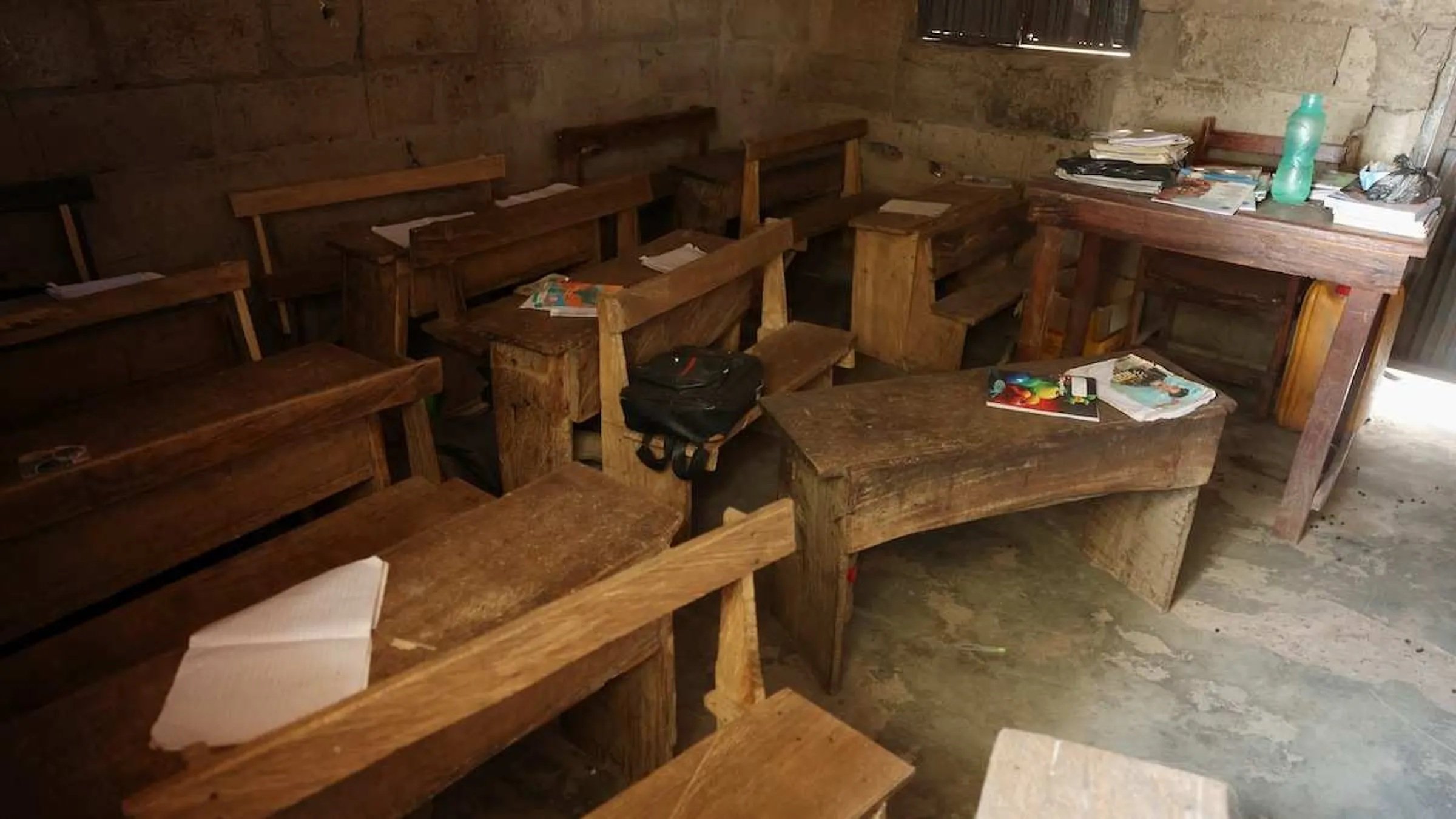
Nigeria’s economic gains collide with a kidnapping boom
The Nigerian economy is on a hot streak. New data published on Monday showed a 4.4% year-over-year expansion in the second quarter of 2026, up from 3.9% in the first. Oil production rose from 1.6 million to 1.7 million barrels per day, while fuel exports climbed amid higher prices and global demand fueled by the Iran war. But the non-oil economy, which accounts for the majority of Nigeria’s real GDP, also accelerated, led by services, agriculture, information and communication, growing 4.3%, up from 3.9% in the previous quarter. Together, they helped deliver Nigeria’s fastest growth in five years.
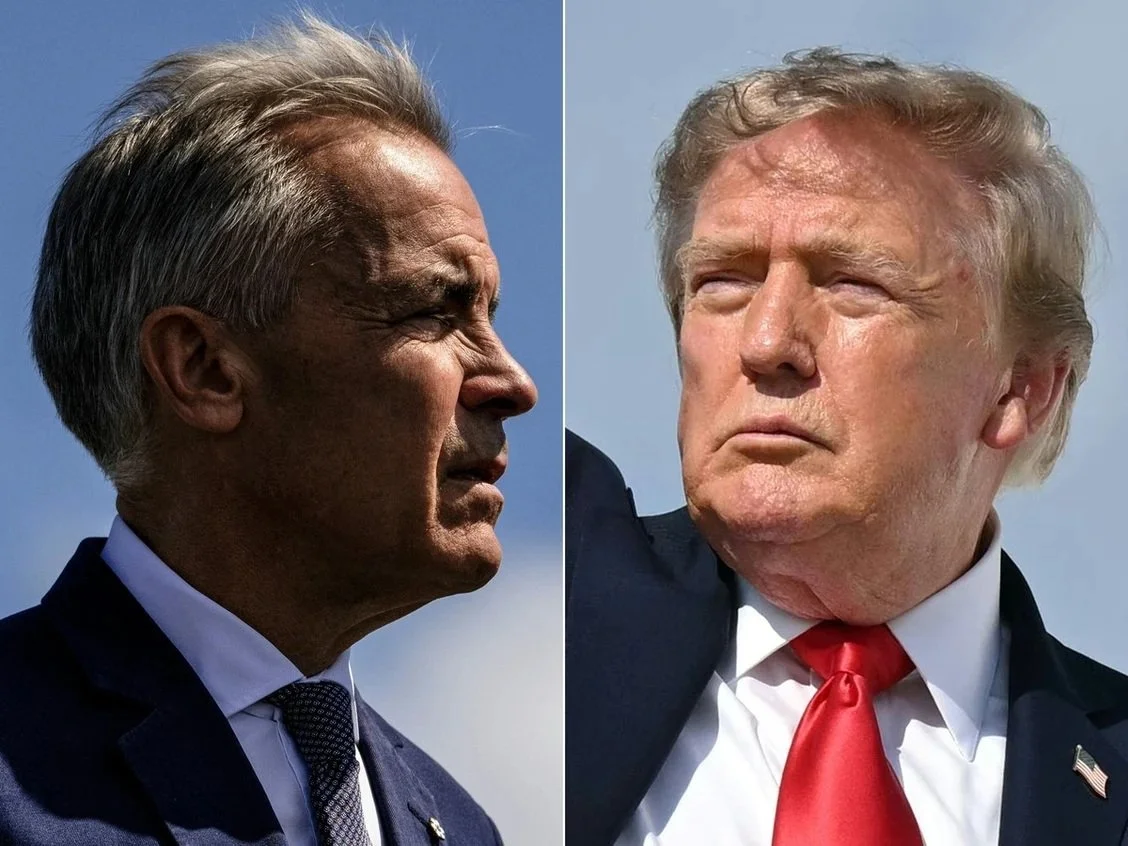
The end of free trade is here
Welcome to Trade Wars, the reality show that pits the mighty United States of America against the mouse that roared, aka Canada. How’s everyone feeling today? “Kiss my ass!” yells Ontario Premier Doug Ford. “Flunky! I will rename Lake Ontario Lake America,” claps back U.S. President Donald Trump. Insert laugh track, cut to a commercial for a Ford F-150 pickup, and check out the ratings — 76 per cent of Canadians agree with Prime Minister Mark Carney’s decision to quit the talks. Everyone’s watching — what a hit.
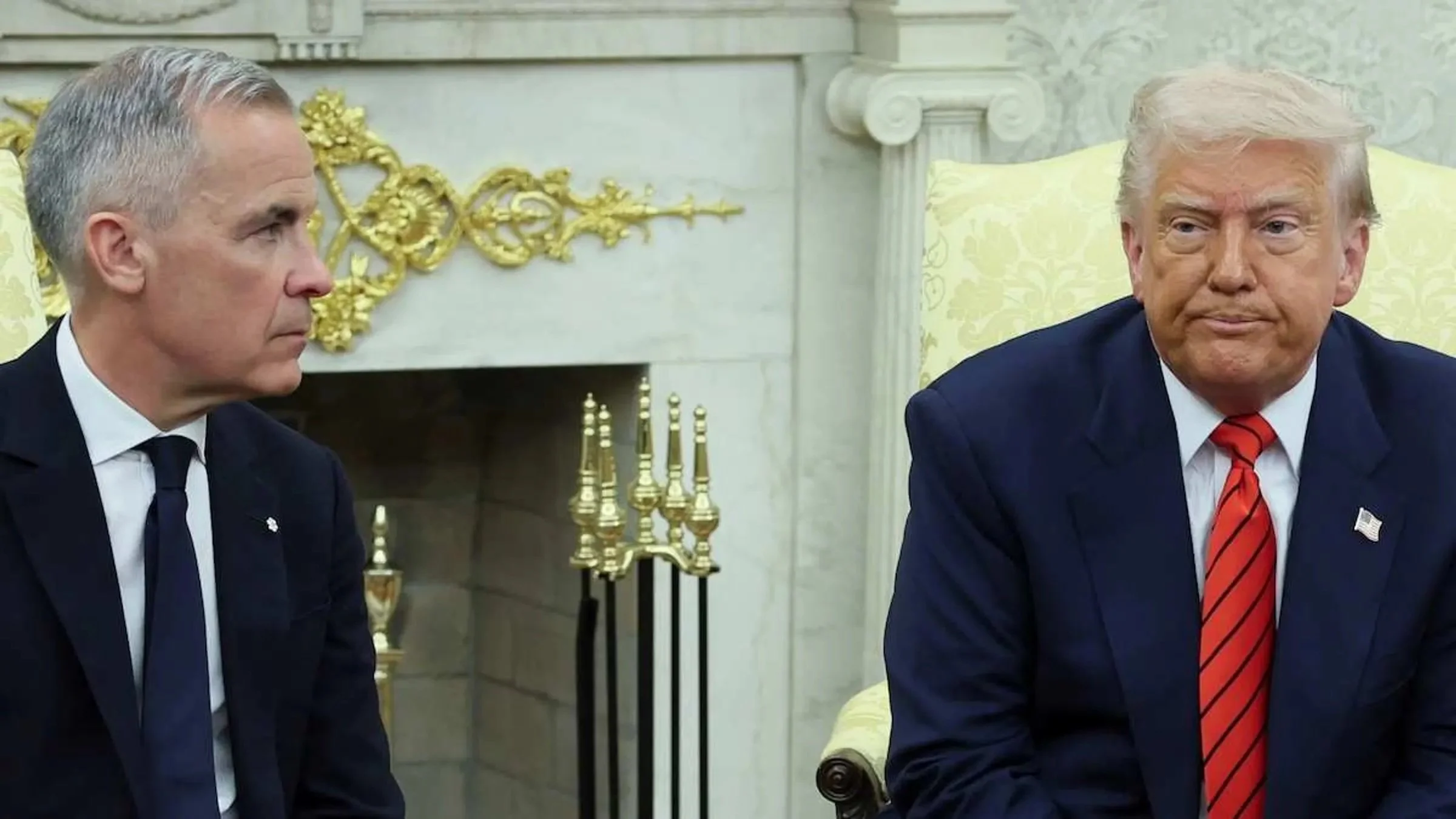
The Great North American trade war
It’s official: the US and Canada are in a trade war, a remarkable rupture in one of the world’s closest alliances. After Canada withdrew from talks last Friday, the US applied a 50% tariff on roughly $20 billion worth of Canadian goods, including wine, furniture, dairy products, cement, clothing, fishing rods and hockey equipment. In response, Canadian Prime Minister Mark Carney said today that Canada will retaliate with its own tariffs, as high as 50%, on $20 billion in American imports starting next month. US President Donald Trump, meanwhile, has plans for 50% tariffs on Canadian automobiles, trucks and auto parts starting January 1.
Pierre Poilievre has a path to survival. He should take it
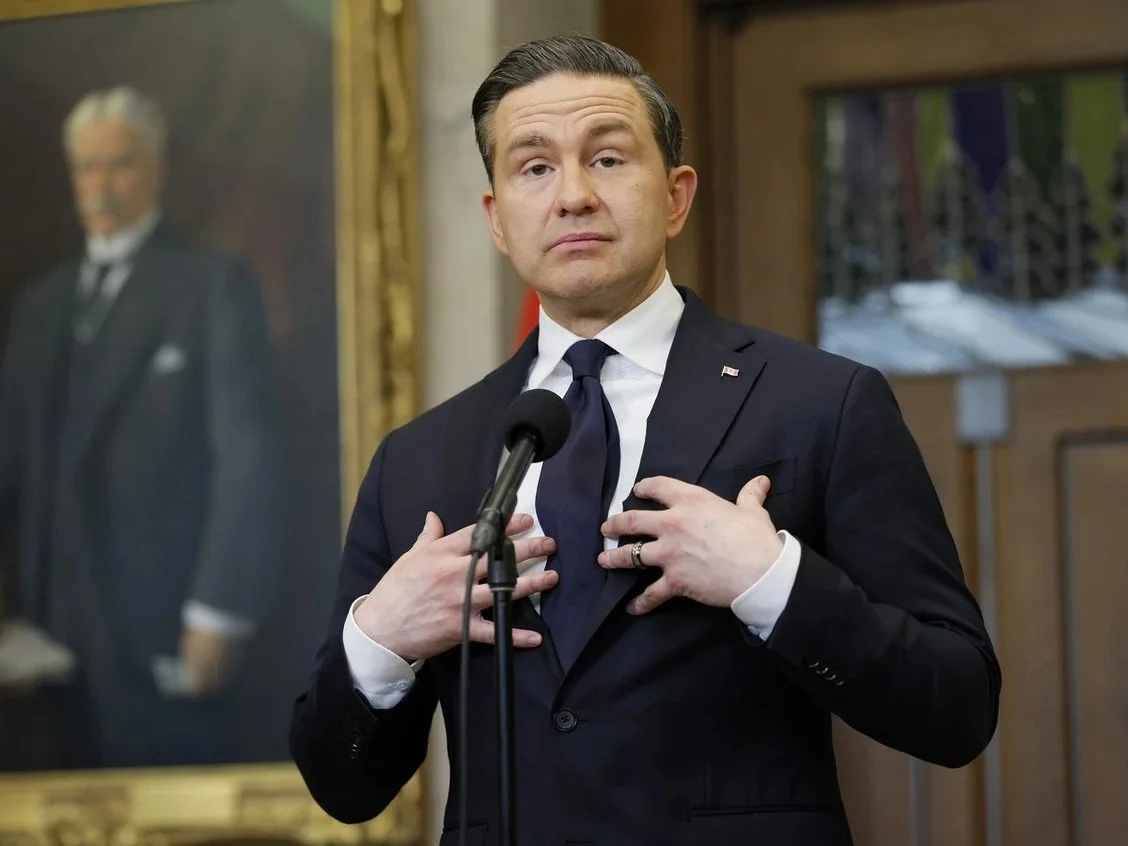
As Canada waits to see whether Prime Minister Mark Carney can strike a trade deal with Donald Trump — or whether the U.S. president will slap 50 per cent tariffs on $20 billion worth of our goods Wednesday — another deadline is looming: When will the Conservative party figure out a path back to power?
Because right now, it is going nowhere.
The rise of the citizen soldier
Over the weekend, Indian Prime Minister Narendra Modi marked his country’s Independence Day by announcing the creation of a “massive” volunteer civil defense force. Calling India’s existing civil defense capacity “outdated,” Modi said the country of 1.4 billion people must protect the new targets of modern warfare, including refineries, the banking sector, or data centers – reflecting a growing view that infrastructure and the internet have become the new front lines of war.
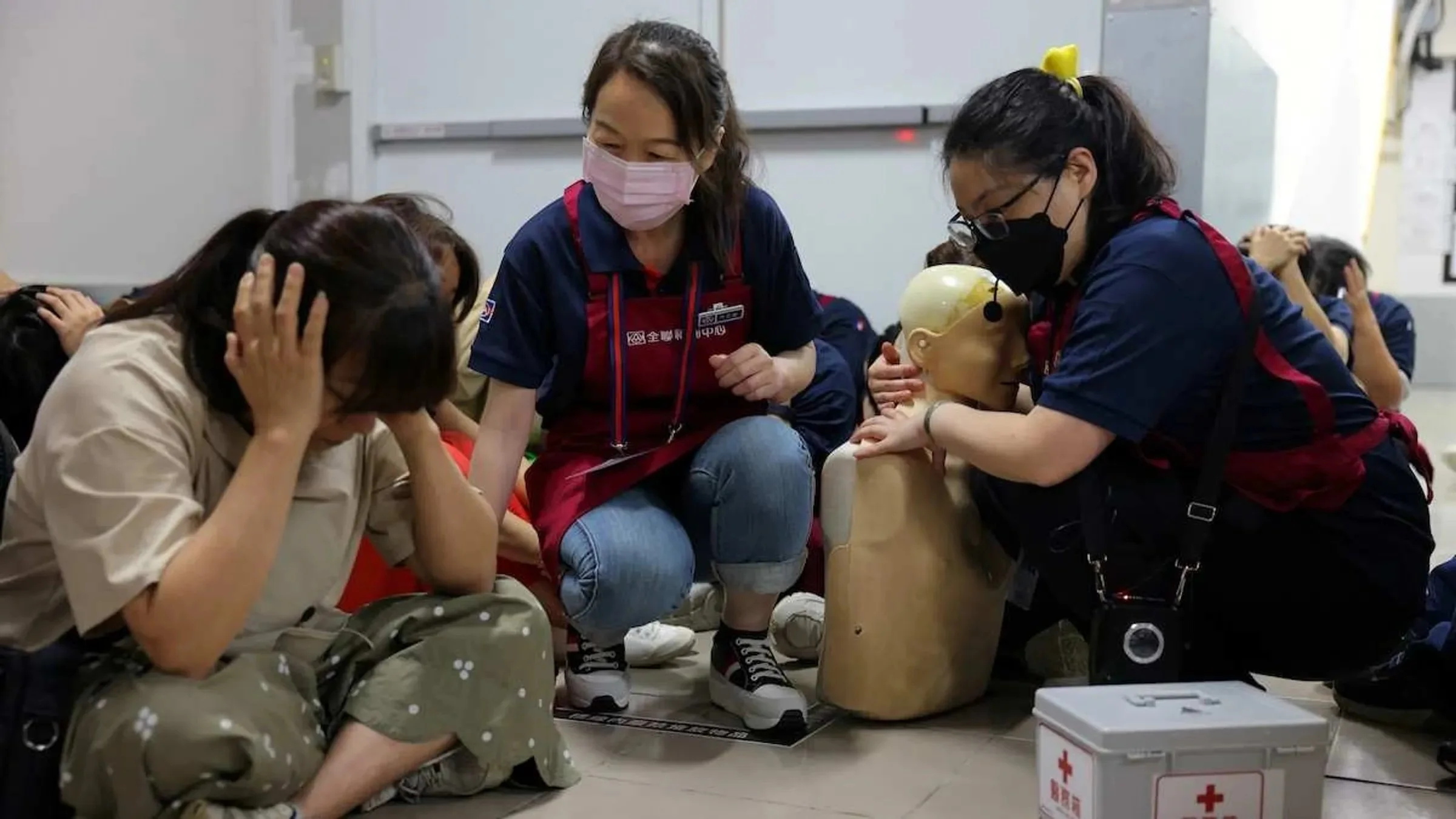
Taiwan is preparing for the same reality. Last week, its government deliberately slowed mobile internet during its annual military exercises, simulating what civilians could face if China attacked communications systems. It marked the first time Taiwan involved civilians in such a drill, taking a page from Ukraine, where Russia has repeatedly targeted communications infrastructure since the full-scale invasion in 2022.
Tasha Kheiriddin: Quebec the fly in the ointment to new U.S. trade deal
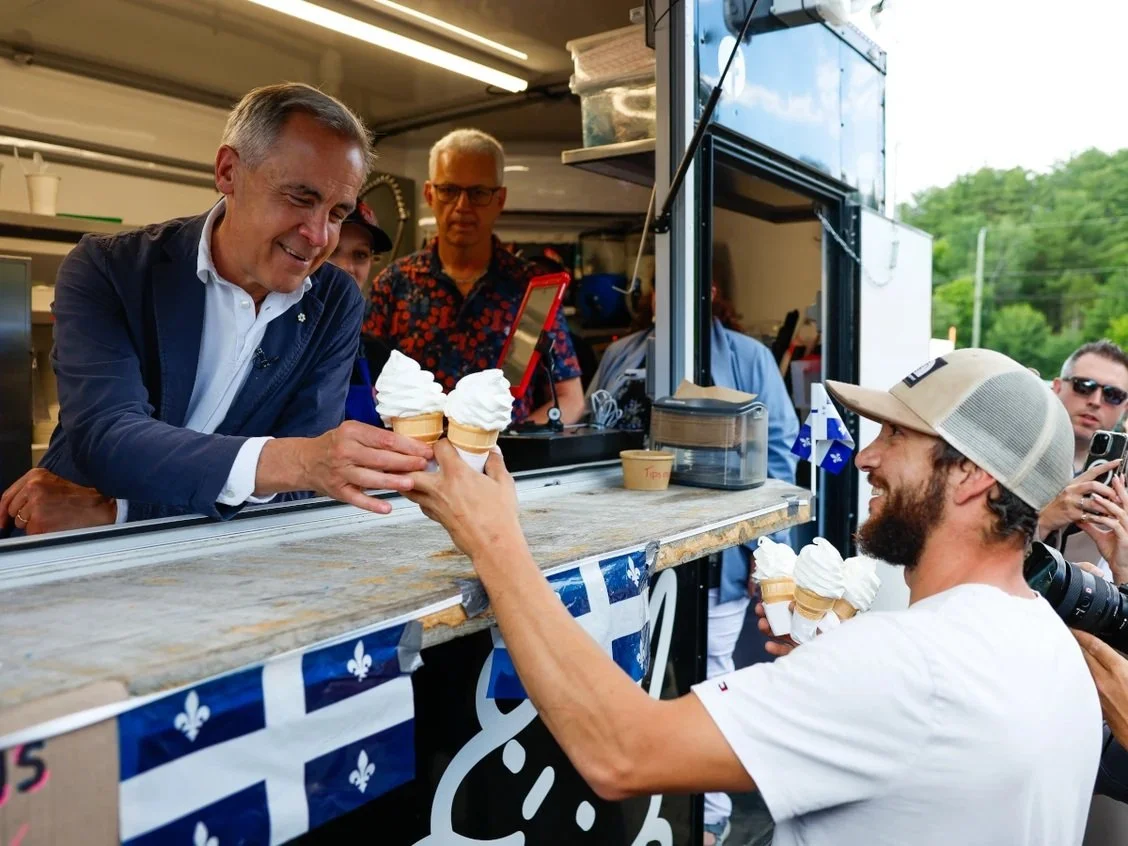
Tick, tick, tick. That’s the sound of the timer counting down to Aug. 19, the date on which U.S. President Donald Trump’s 50 per cent tariffs on Canada will kick in. Or not. Already one former Trump advisor is predicting that Trump will TACO (Trump always chickens out), but in the unpredictable world we live in, there’s no guarantee.
Faced with this deadline, the pressure is on Prime Minister Mark Carney to get a deal with the Americans. Businesses and investors are worried. Conservative Leader Pierre Poilievre is demanding action. Dominic LeBlanc, the minister responsible for Canada-U.S. trade, and Janice Charette, our chief trade negotiator, are spending their summer in Washington boardrooms, but there’s still no sense of progress.
Welcome to the new digital divide
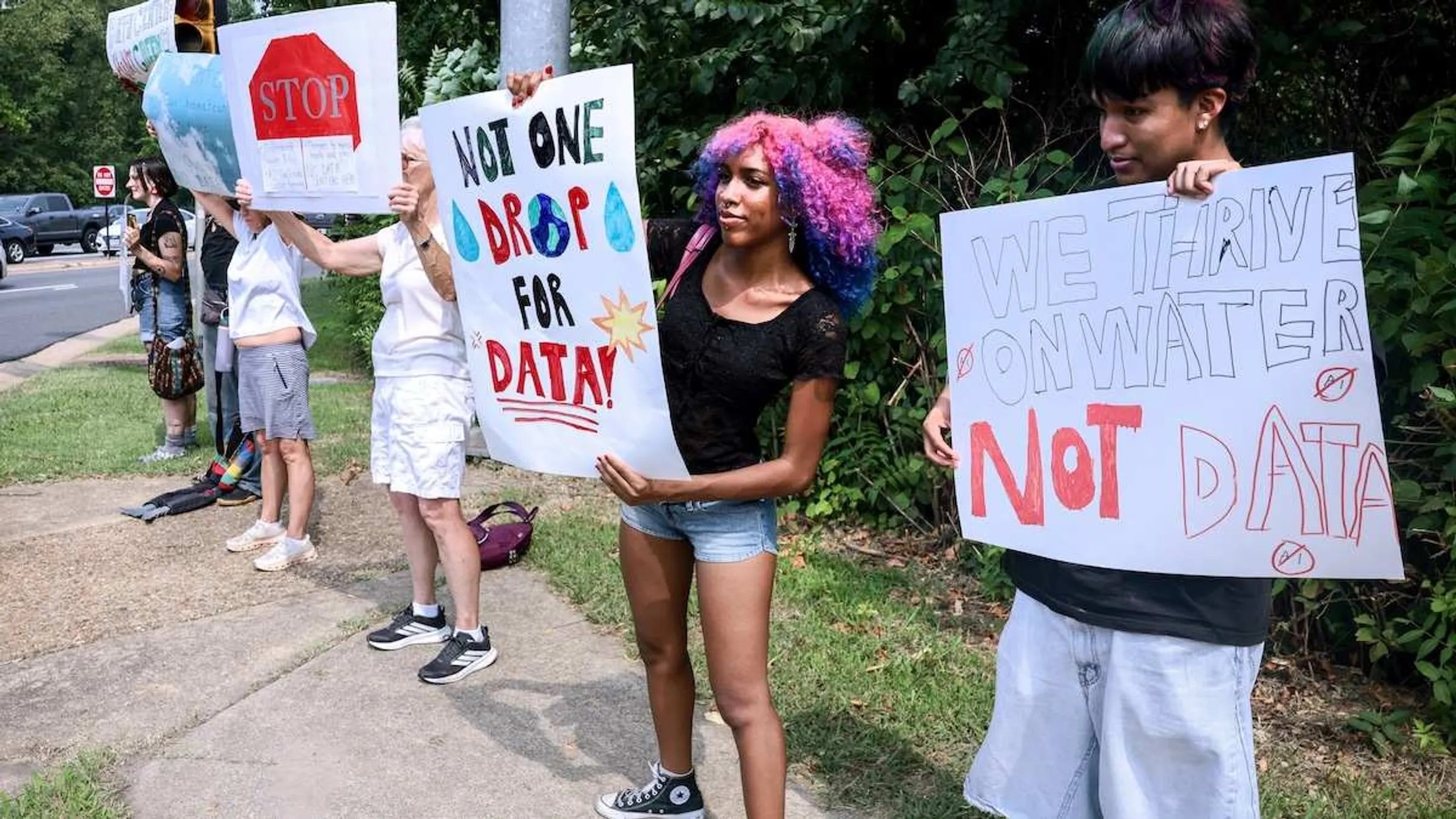
In 2019, GZERO reported on a brewing backlash against AI’s facial recognition and surveillance capabilities. Seven years later, opposition to the technology, which has advanced dramatically since then, is intensifying. A survey of more than 18,000 people in 15 countries found that over one-third ranked AI development among their top concerns over the next five years, ahead of immigration, energy security, and geopolitical rivalry.
But attitudes toward AI vary sharply around the world. Ipsos polling found that people in Asia and Latin America are more likely to believe AI’s benefits outweigh its risks and to express enthusiasm for AI-powered products and services. By contrast, North Americans are far more likely to say AI makes them nervous and are less convinced that its benefits justify its costs.
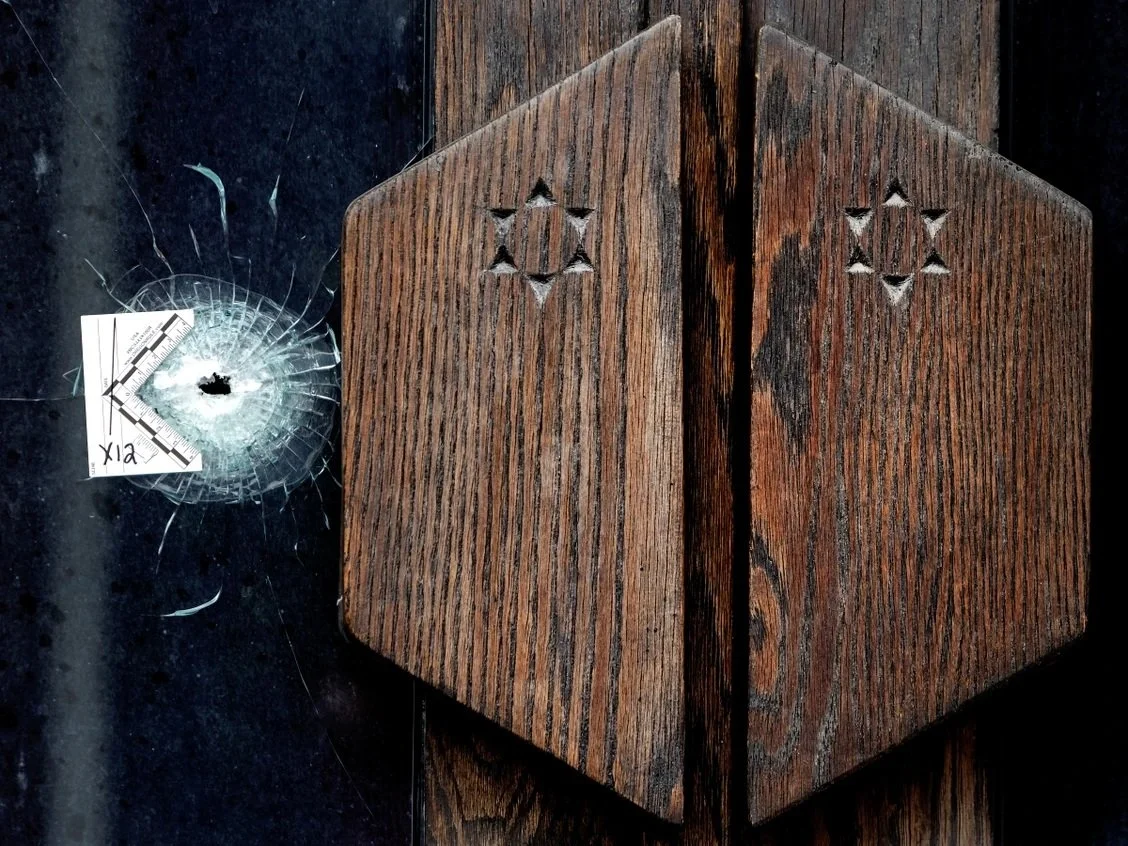
Tasha Kheiriddin: Antisemitic terrorism is a national emergency. Carney needs to act like it
When does hate become terrorism? Answer: when it is orchestrated, repeatedly, to sow fear, cause chaos, and undermine society. One hateful act can be the work of a vengeful madman; a series of hateful acts, against the same community, conducted in a similar manner, constitute terrorism.
That is what Jews in Canada face today. Since October 7, 2023, B’nai Brith Canada has documented nearly 5,800 total incidents in 2023 and a record 6,800 incidents throughout 2025. By today’s stats, that’s one hate crime for every 487 Jewish residents. Jews are 22 times more likely to be the victim of a hate crime than non-Jewish Canadians
Ceuta’s migration crisis puts Spain’s government on the defensive
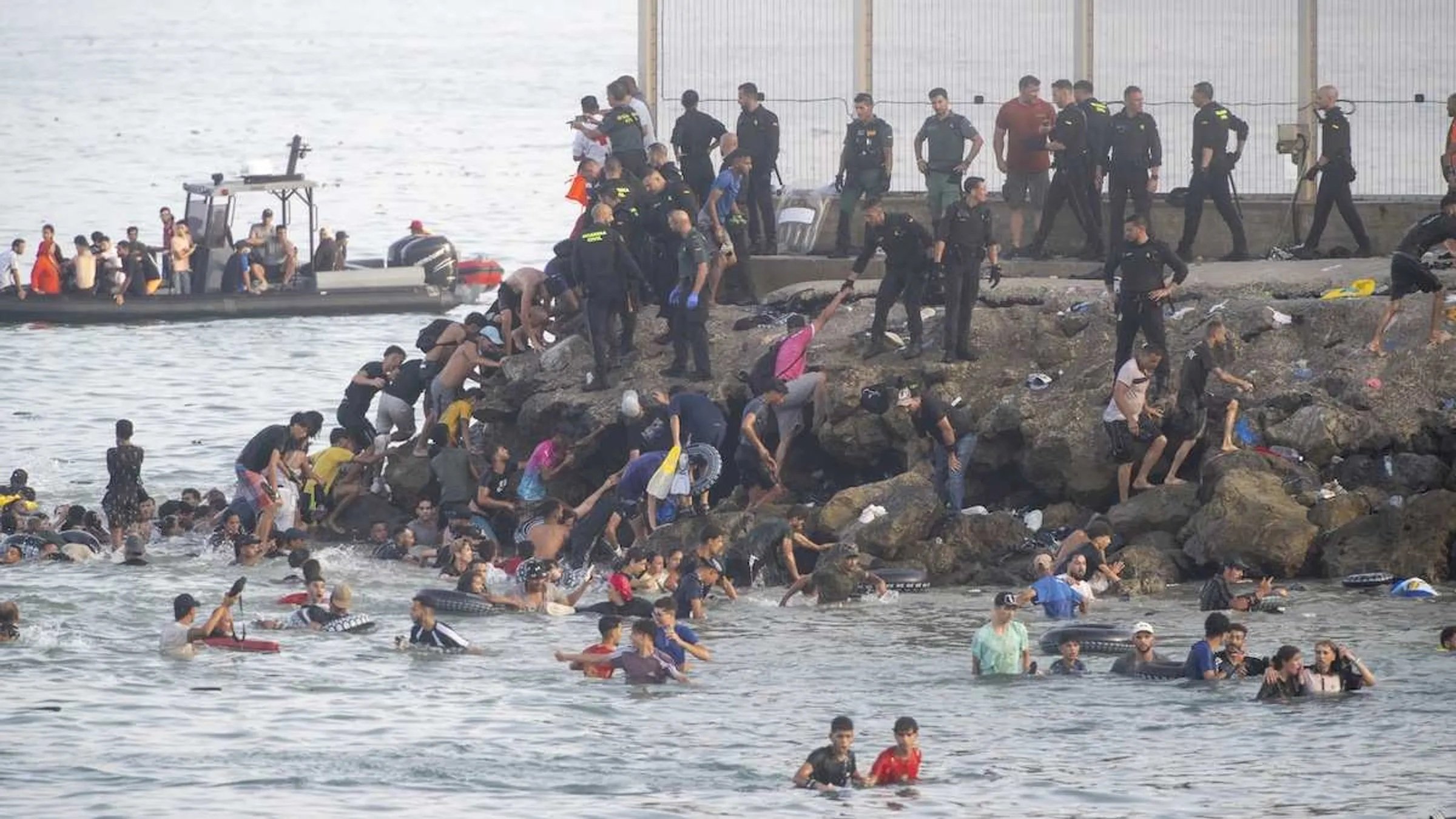
The images were striking: Last week’s chaotic sea crossing saw an estimated 60,000 migrants from Morocco flood into the tiny Spanish exclave of Ceuta in North Africa, swimming around seawalls and climbing over fences. At least 72 people lost their lives, according to Spain. The unprecedented surge stunned European governments and prompted EU ministers to hold an emergency meeting on strengthening the bloc’s borders.
The fallout also highlighted opposition to Spain’s migration policy within the EU. Poland, Denmark and Germany characterized Spain’s migrant-friendly policies – among the most welcoming in Europe – as “pull factors,” encouraging the surge and even threatening EU security. Italy said it was temporarily suspending its Schengen agreement with Spain, which allows passport-free travel across 29 European countries. Sweden and Finland joined the chorus, with Finnish Interior Minister Mari Rantanen writing on X last week that “Spain has completely failed to protect the external border of the Schengen area from incursions. This cannot continue.”
The Gen Z gender divide
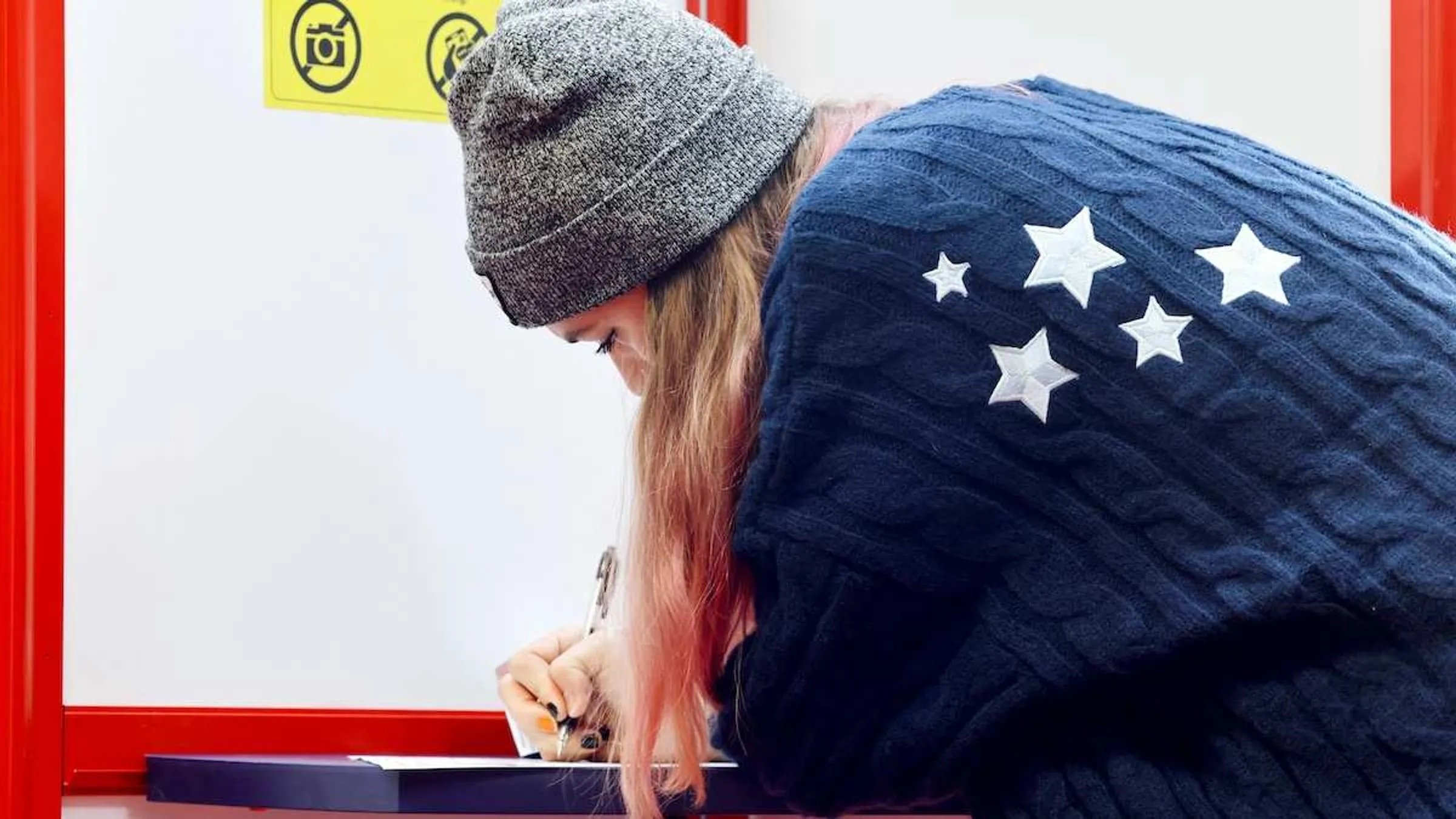
Young voters are splitting up, and gender is the wedge. In countries around the world, young women are moving steadily left while young men are shifting toward conservative and nationalist parties.
In last year’s German elections, men aged 18 to 24 voted 27% for the far-right AfD while 35% of young women opted for the far-left Linke party. In Canada, the most likely left-leaning voters are women aged 18 to 24 (45%), while men aged 18 to 34 are the most right-leaning (33%). From Washington to Seoul to São Paulo, the most consequential political divide among voters under 30 is increasingly not race, class or geography. It is gender.
This is why Carney is succeeding
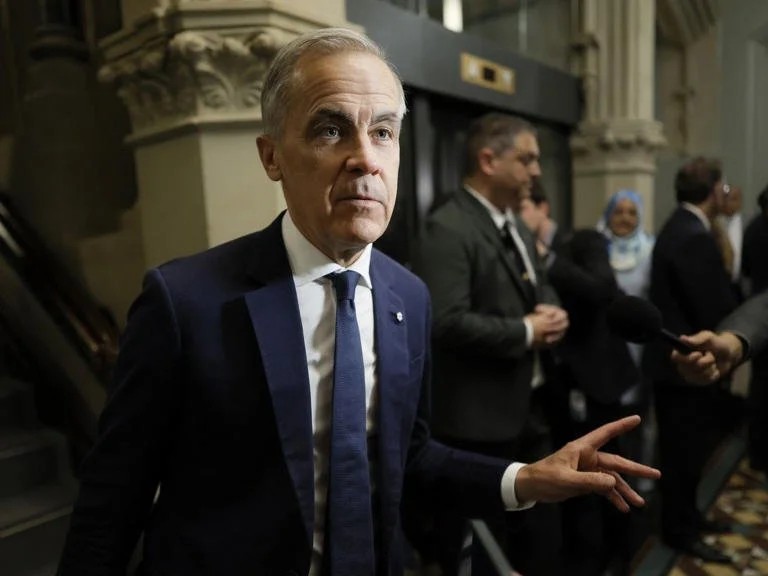
Do politicians start parades, or merely get in front of them? That’s a question Canadians might be asking this week, following news that the government was polling them on the issue of oil pipelines last fall — just days before Prime Minister Mark Carney announced an agreement with Alberta to explore building a new one to B.C.
Avi Lewis and the dark path of the far left
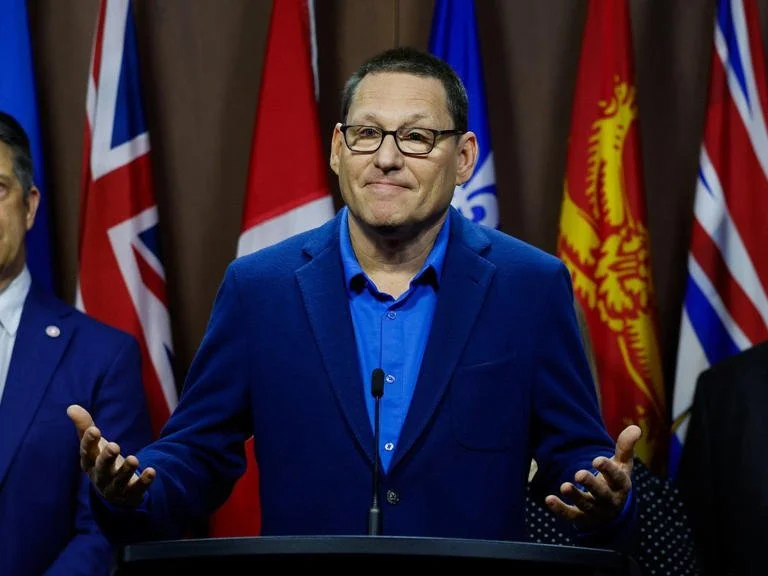
Is Canada ready to surf a socialist wave? After the shock victories of three hard-left candidates in last week’s U.S. Democratic primaries, voters and their leaders may wonder whether our country could elect the likes of “democratic socialists” Darializa Avila Chevalier, Brad Lander and Claire Valdez. Chevalier is particularly radical: in a since-deleted X post she wrote “I forgot to get napkins so I just wiped my hand on the American flag behind me.” She also called for abolishing borders and founded an anti-Israel organization at Columbia University that demanded “the total eradication of Western civilization.”
The key to reaching a trade deal with the U.S.
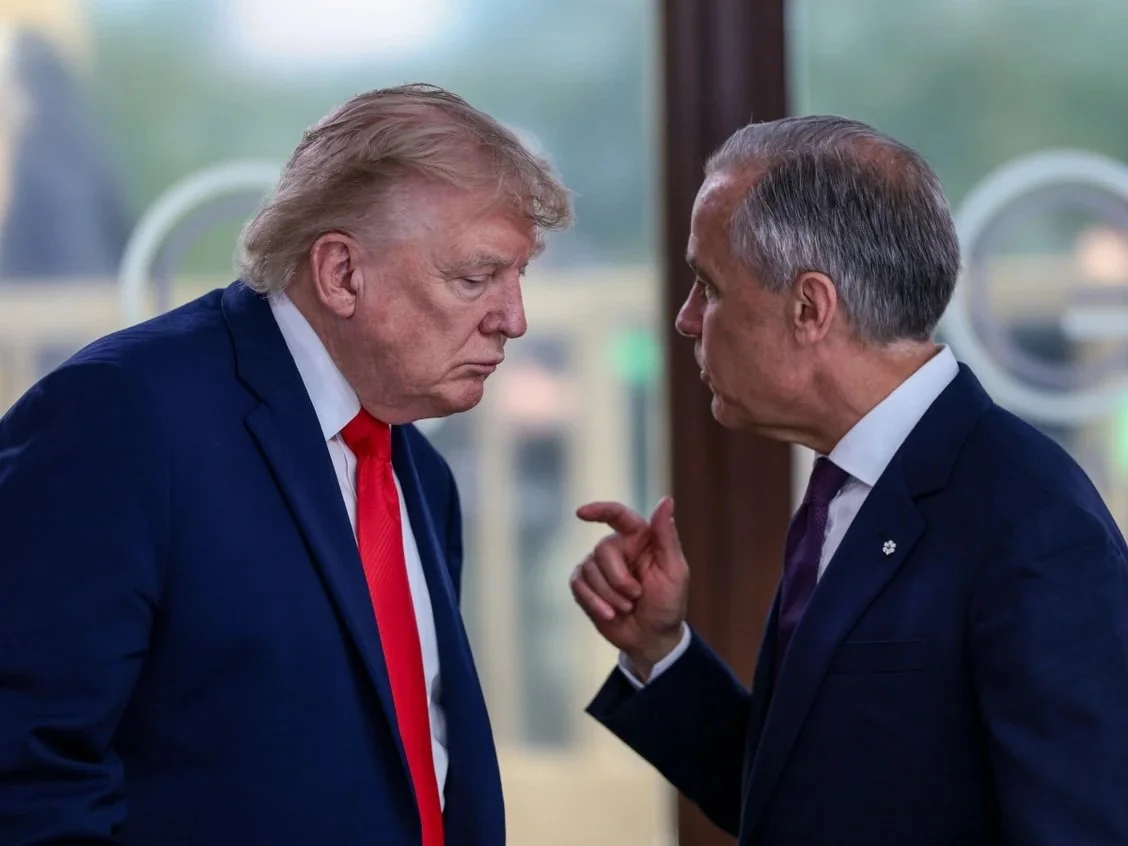
Is there hope for the Canada-United States-Mexico Agreement (CUSMA)? For over a year, Canada-U.S. trade talks have been testy at best, in a deep freeze at worst.
U.S. President Donald Trump mocked us as the “51st state,” put tariffs our steel, aluminum and autos, and claimed that America doesn’t need anything we’re selling. Prime Minister Mark Carney declared that Canada must reduce its dependence on the U.S., circled the globe inking foreign trade deals and became the darling of Davos for his vision of “middle power” alliances.
What’s the role of the G7 in a G-Zero world?
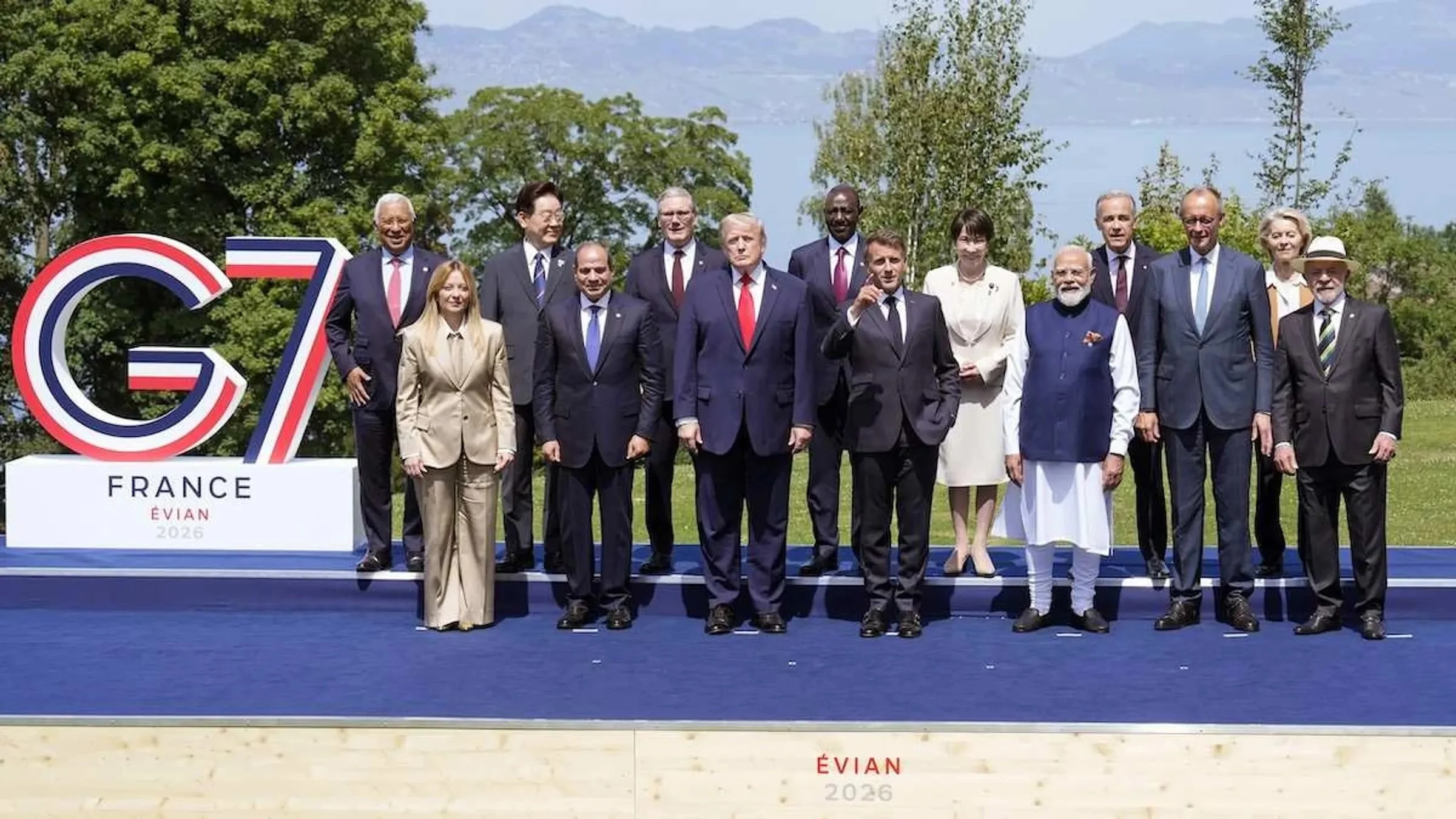
Leaders of the G7 are meeting this week in Évian-les-Bains, France, for their 52nd official summit. When the forum was created in 1975, amid the collapse of the Bretton Woods monetary system and oil shocks of the 1970s, it brought together the world’s industrial democracies to manage global crises. Over the following decades, it helped coordinate responses to challenges like the end of the Cold War, terrorism, climate change, the COVID-19 pandemic, and the war in Ukraine.
But the international community looks very different today. In 2026, the G7 finds itself operating in a “G-Zero” world – with no clear leader. The United States has retreated from its role as global policeman, instead pursuing an “America first” agenda that has isolated itself from its allies. At times, the group can seem less like a G7 and more like a G6+1.
Carney should be applauded for social media ban
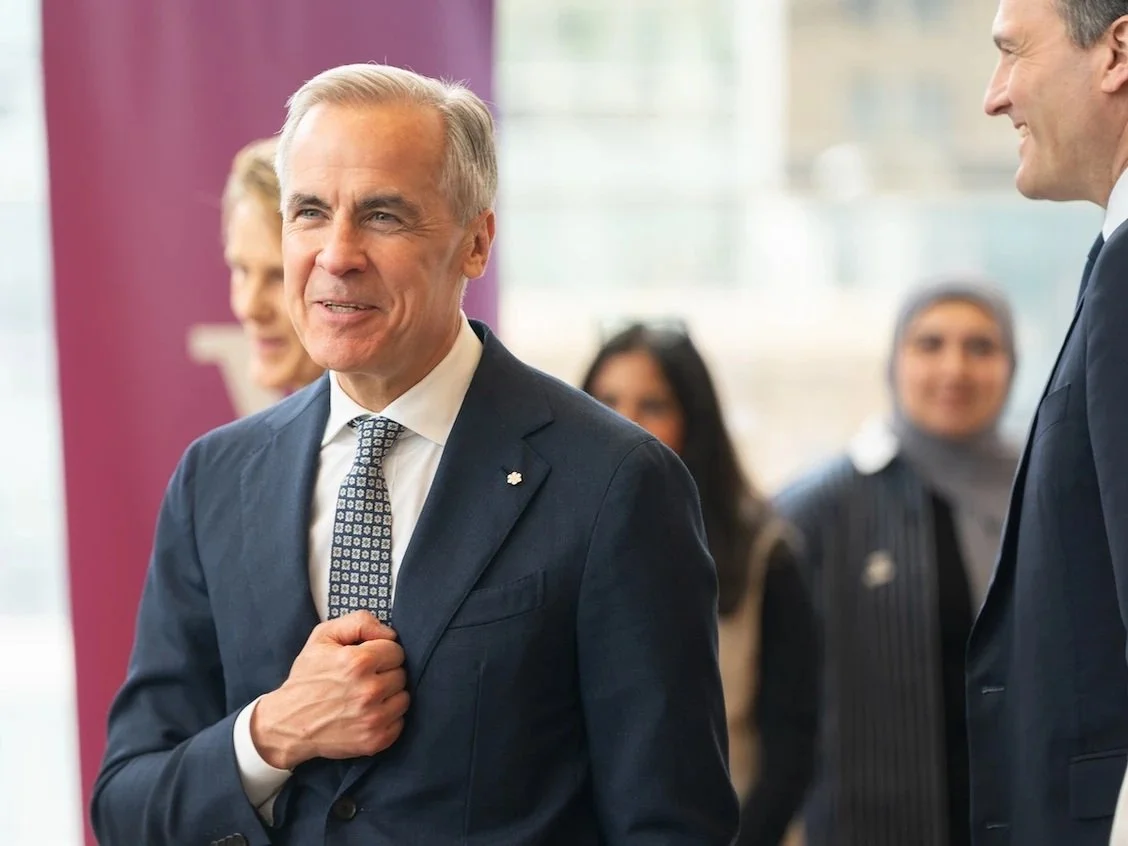
This week, Prime Minister Mark Carney will announce a ban on social media for kids under 16 . There will be exemptions, and we haven’t seen the details yet, but Canadians should applaud this move. I believe in personal freedom but also in science, and in protecting kids from harm. And every day, we see more evidence of the damage social media does to children.
Mark Carney in denial over what's behind antisemitism
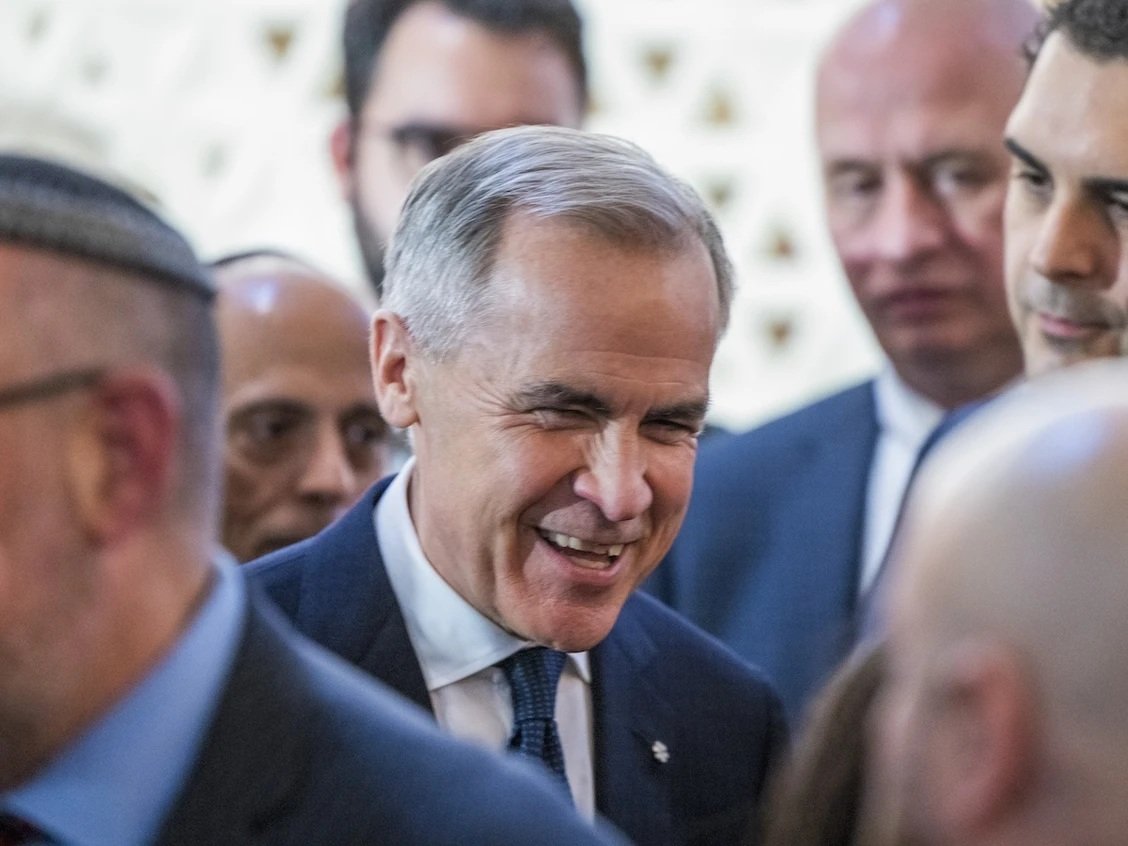
Mark Carney is usually good at speaking truth to power, but yesterday he failed. In an address to Jewish Canadians at Holy Blossom Temple in Toronto, he named the problem — rampant antisemitism — but failed to offer a solution. He failed to send a message to those causing the problem. And he failed to understand the nature of Canada itself.
Carney said that Canada was not founded on a “single creed, race, language, or faith.” That we “have held our differences in common, beginning — after a long period of struggle and oppression — with the French and English accommodation.” That “pluralism is the framework of our nation.”
Who will win the new space race?
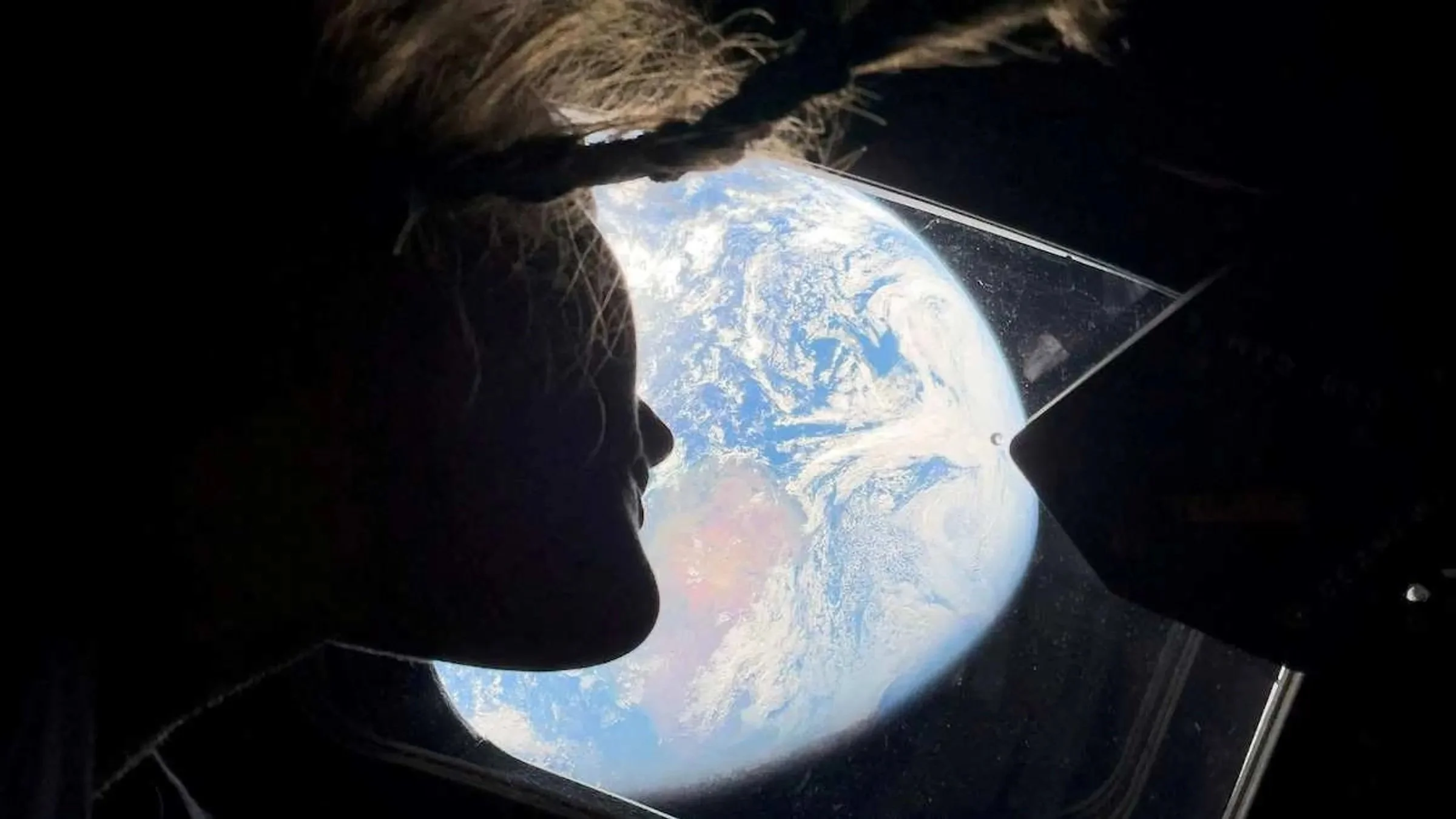
Just two days after NASA unveiled plans for a permanent base near the Moon’s south pole, Blue Origin – one of the private companies hired to be part of the project – suffered a spectacular setback. On May 28, the Jeff Bezos-owned company’s test rocket exploded in Florida, badly damaging its launchpad, which could take years to repair. No one was injured, but the failure brought the company’s lofty ambitions and plans for the first-ever privately funded lunar landing mission crashing down to Earth.
Carney needs to stay out of the separatism debate
Prime Minister John A. Macdonald famously described dealing with provincial leaders as “herding cats.” He was right on the money: like cats, premiers will purr loudly to get what they want but ignore you when it suits them. Or worse, lure you in and scratch you when you least expect it. But MacDonald knew how to cajole them, humour them and get his way, and ultimately triumphed in uniting the country we call Canada.
It would be unwise for Carney to dismiss U.S. pulling out of defence board
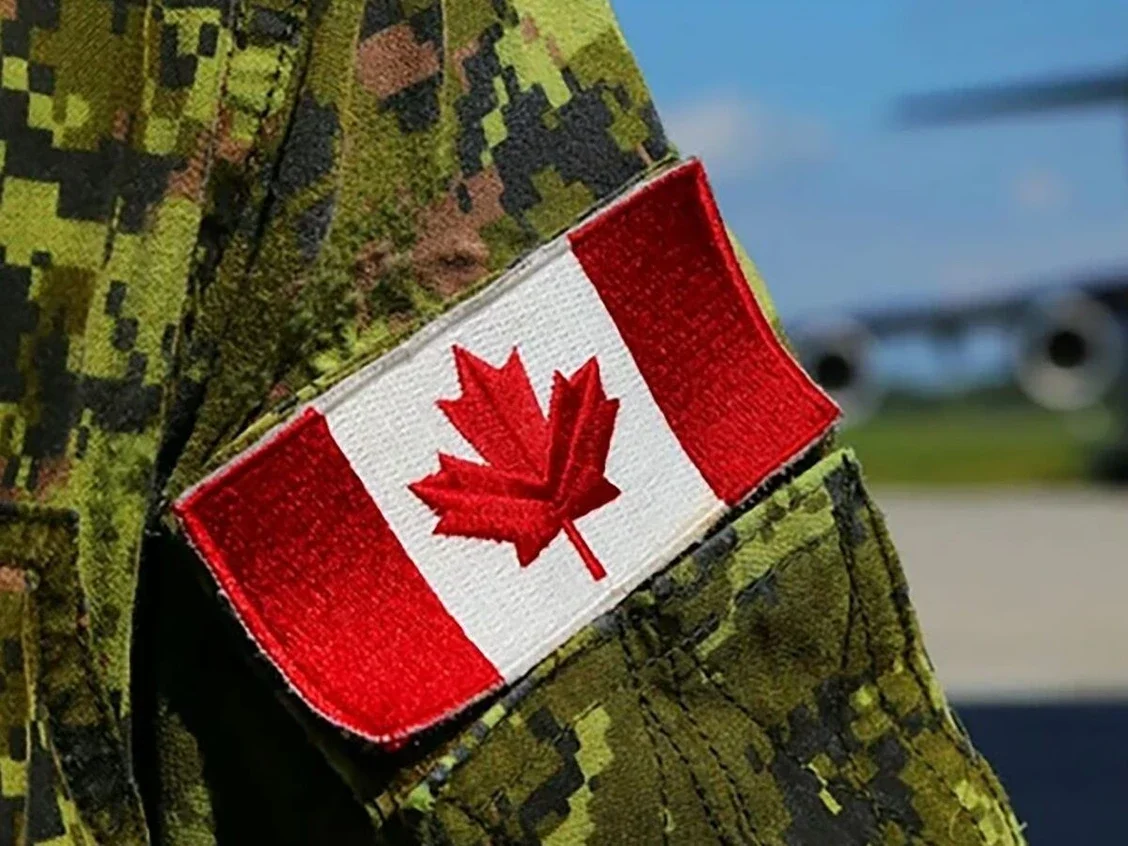
This weekend, the U.S. paused its participation in an organization most Canadians have likely never heard of: the Permanent Joint Board on Defence. It was established in 1940, following U.S. President Franklin Delano Roosevelt’s pledge that the U.S. would defend Canada if it were attacked, and Prime Minister William Lyon Mackenzie King’s promise that “enemy forces should not be able to pursue their way, either by land, sea or air to the United States across Canadian territory.” The board met some 42 times during the Second World War and most recently convened every six months — until now. Read more