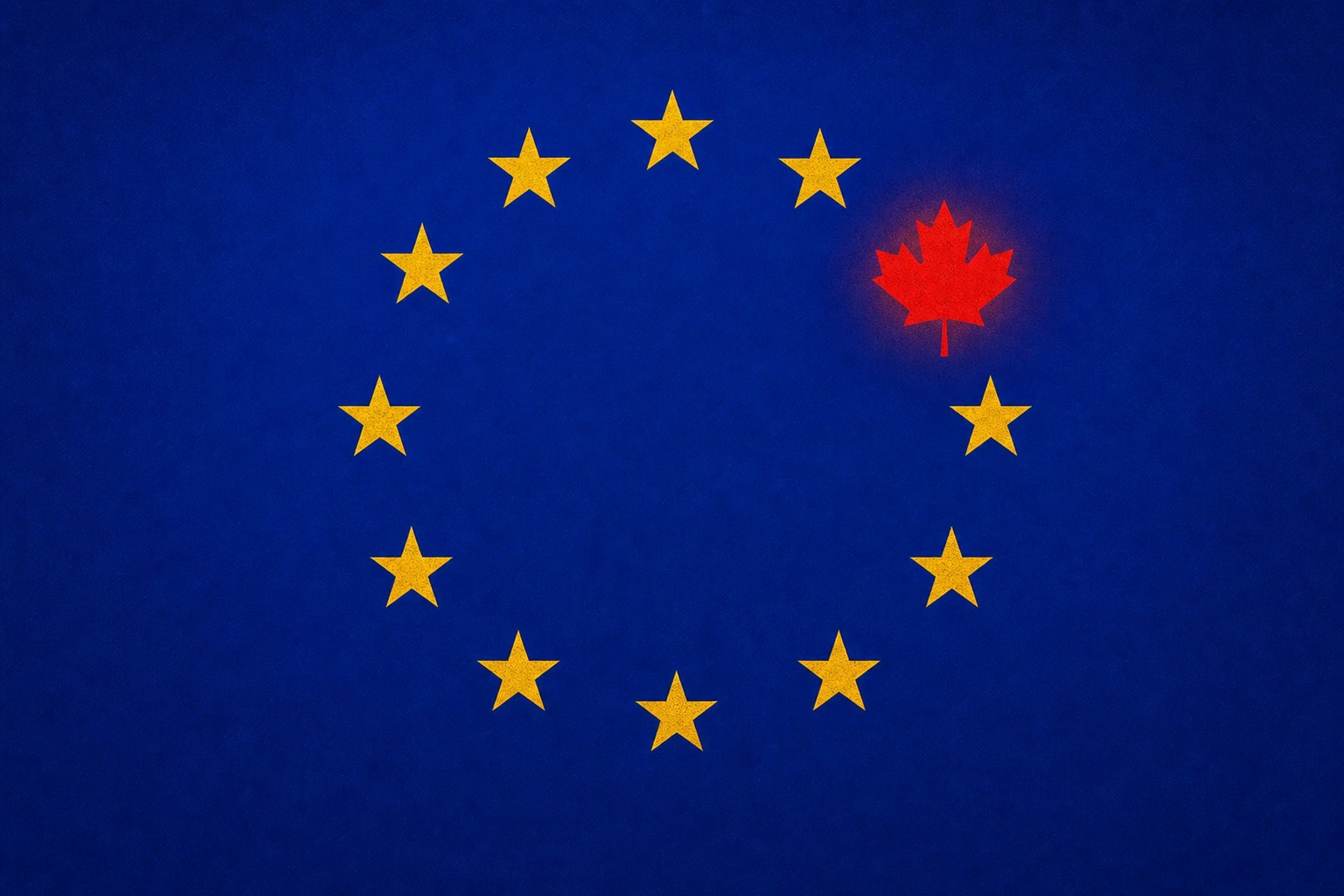
As ties with the US fray, Canada looks across the Atlantic
Canadian Prime Minister Mark Carney attended a meeting of the European Political Community in Armenia this weekend, a first by the leader of a non-European country. He was invited to discuss common interests in trade, energy, and security. In a speech that echoed his address to the World Economic Forum in Davos two months earlier, Carney called on middle powers, including Canada and European nations, to work together in the wake of disruption of the established world order — implicitly pointing to the United States. “It’s my strong personal view that the international order will be rebuilt,” he told the crowd in Yerevan, “but it will be rebuilt out of Europe.”
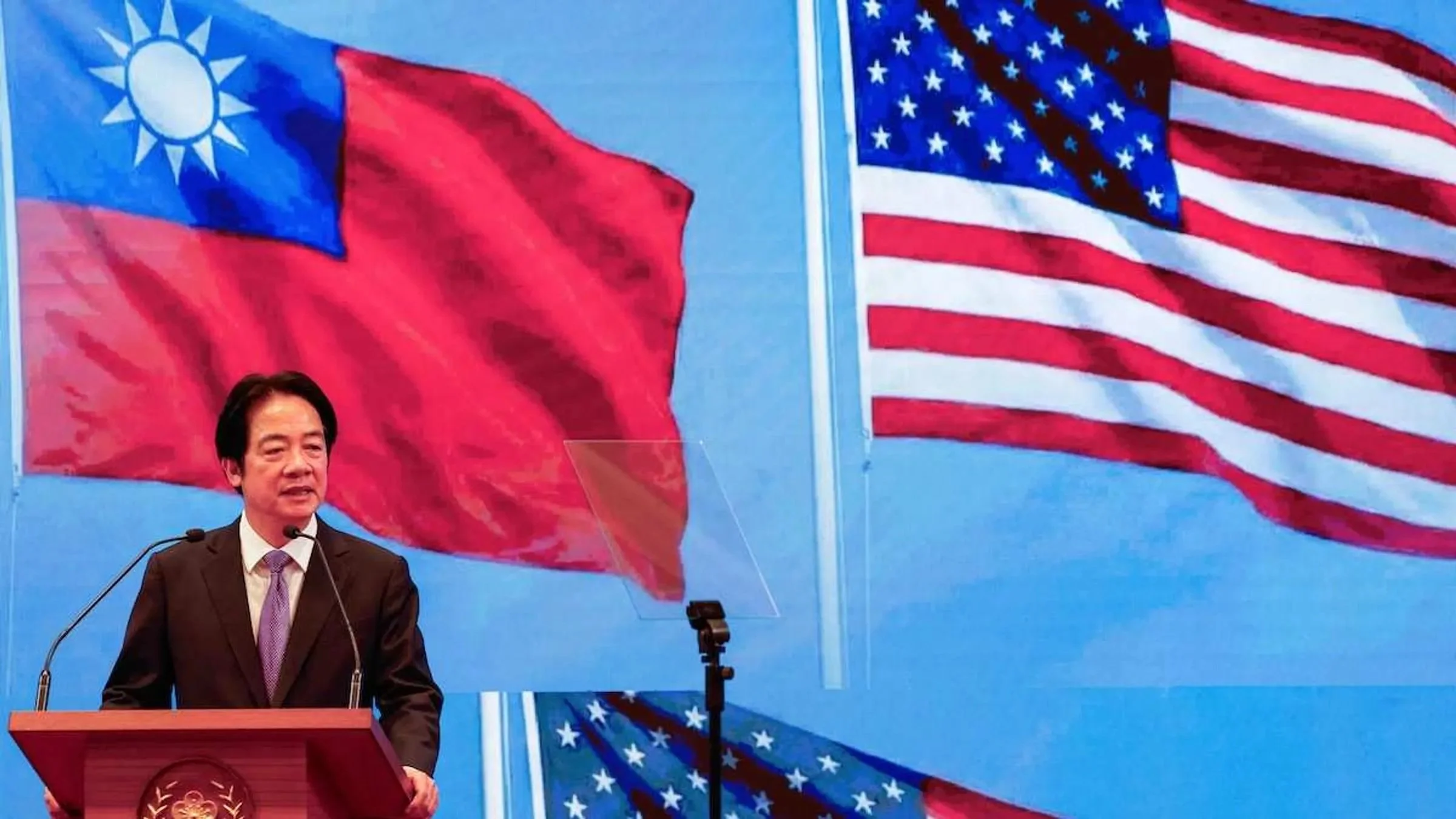
Taiwan in the crosshairs
While the world has its eyes on the Strait of Hormuz, China’s gaze is fixed farther east: Taiwan. For decades, Beijing’s “One China” policy has asserted that there is only one sovereign Chinese state and that Taiwan is a breakaway province that must return to mainland control – peacefully if possible, but by force if necessary. Now, are the stars aligning for Beijing to advance that goal?
As US President Donald Trump prioritizes an “America First” trade and defense policy, and global attention shifts elsewhere, China sees an opening to make Taiwan’s resistance to reunification harder to sustain. With two weeks to go until Trump meets Chinese leader Xi Jinping in Beijing, China is deploying a mix of carrots and sticks designed to pull Taiwan closer – without firing a shot.
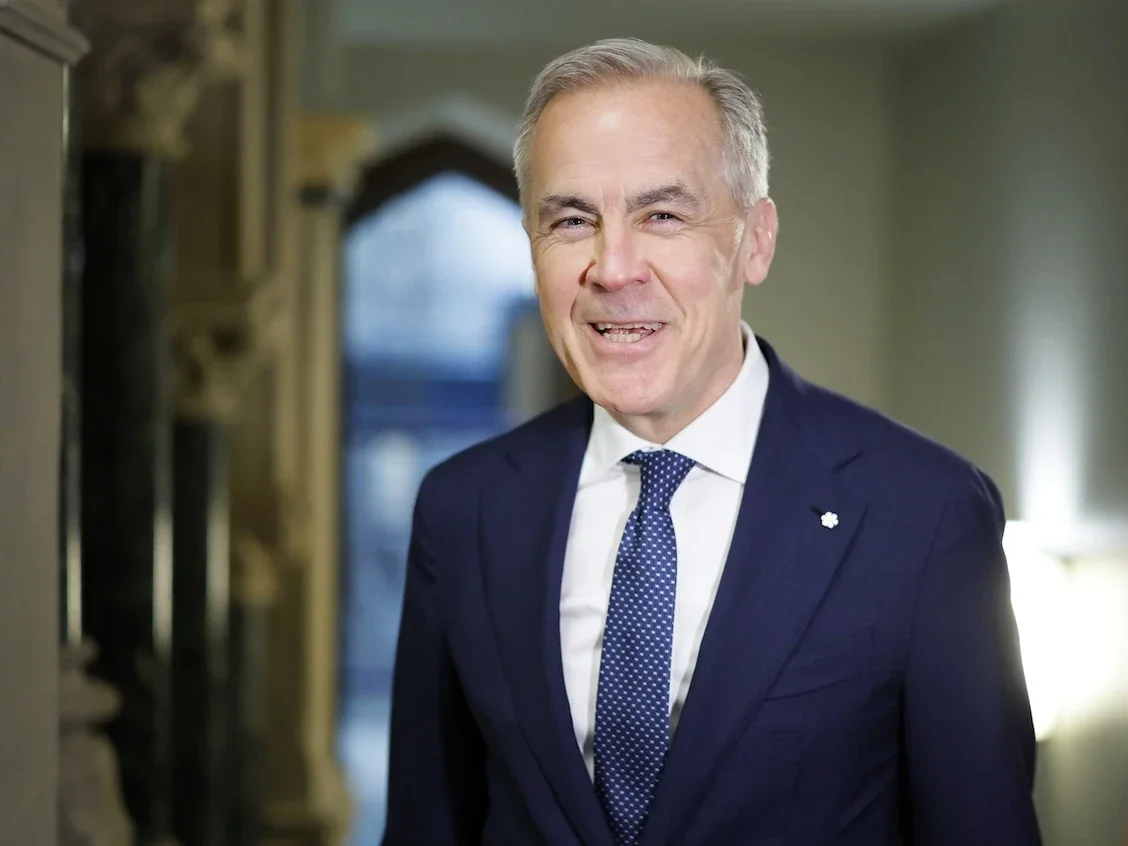
Carney's new fund is for corporate welfare, not sovereign wealth
Congratulations, Canada! On Monday, our nation joined an exclusive club: countries with sovereign wealth funds. Norway, Kuwait and other resource-rich nations have long tapped royalties and budget surpluses to fund investment vehicles: in this era of geopolitical uncertainty and an erratic neighbour, Prime Minister Mark Carney thinks it’s time Canada does the same.

Manitoba veut interdire les reseaux sociaux aux jeunes
VIDEO ICI. Le Manitoba compte devenir la première province canadienne à déposer un projet de loi afin d’interdire aux jeunes d’accéder aux réseaux sociaux, mais aussi aux agents conversationnels générés par IA. Est-ce une bonne idée? Les détails avec Juliette Straet, suivi des avis de Tasha Kheiriddin et de Jacques Létourneau
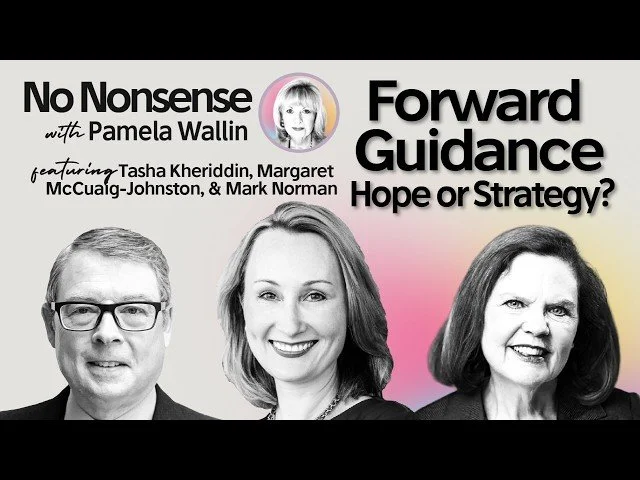
Forward Guidance: Hope or Strategy?
The PM has doubled down on his elbows up campaign, so is the US our greatest weakness or our best friend again? The “smart person” panel with Tasha Kheiriddin, Margaret McCuaig-Johnston, and Mark Norman on No Nonsense.
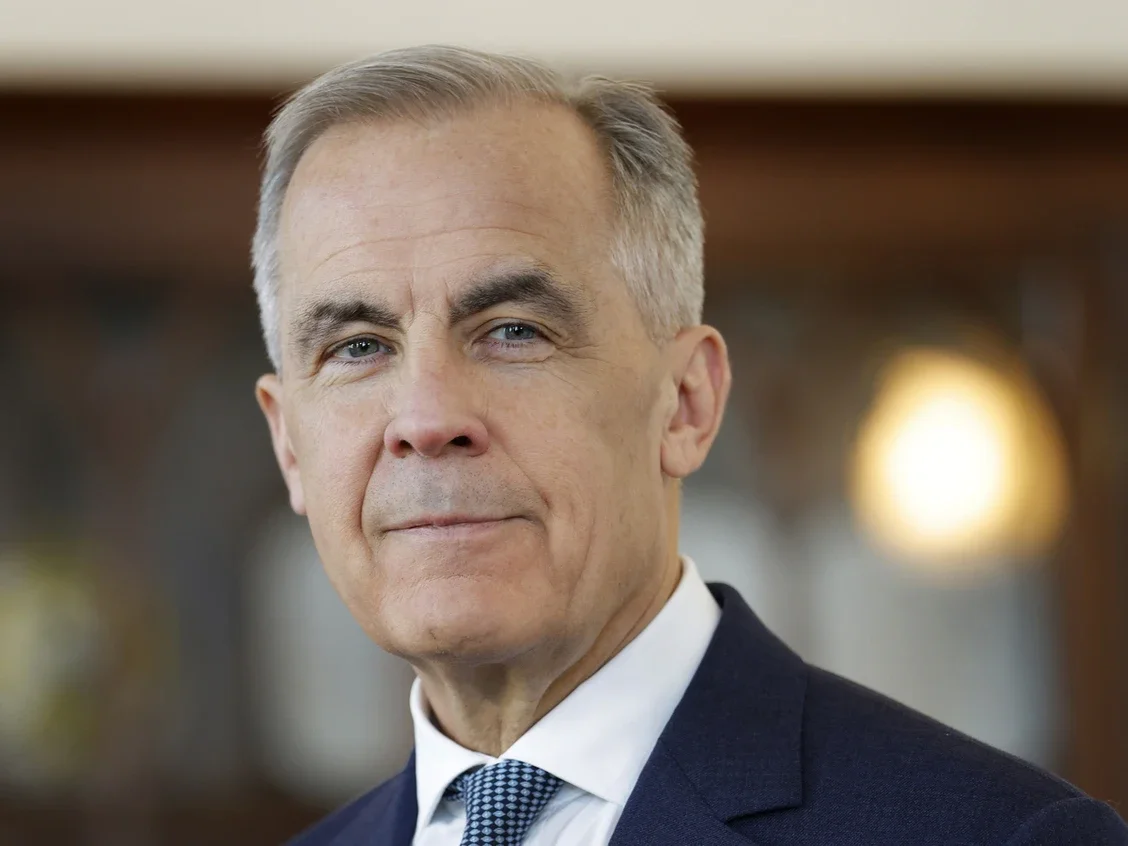
Carney preparing to fail in Trump negotiations
Prime Minister Mark Carney’s Sunday video was a master class in crisis communications. He reminded Canadians of his credentials managing tough times. He described the urgent challenges Canada faces. He explained what he is doing to tackle them. He promised not to “sugarcoat” anything. He appealed to Canadians’ patriotism. And he promised to keep us posted: bookmark this YouTube channel for the next episode.
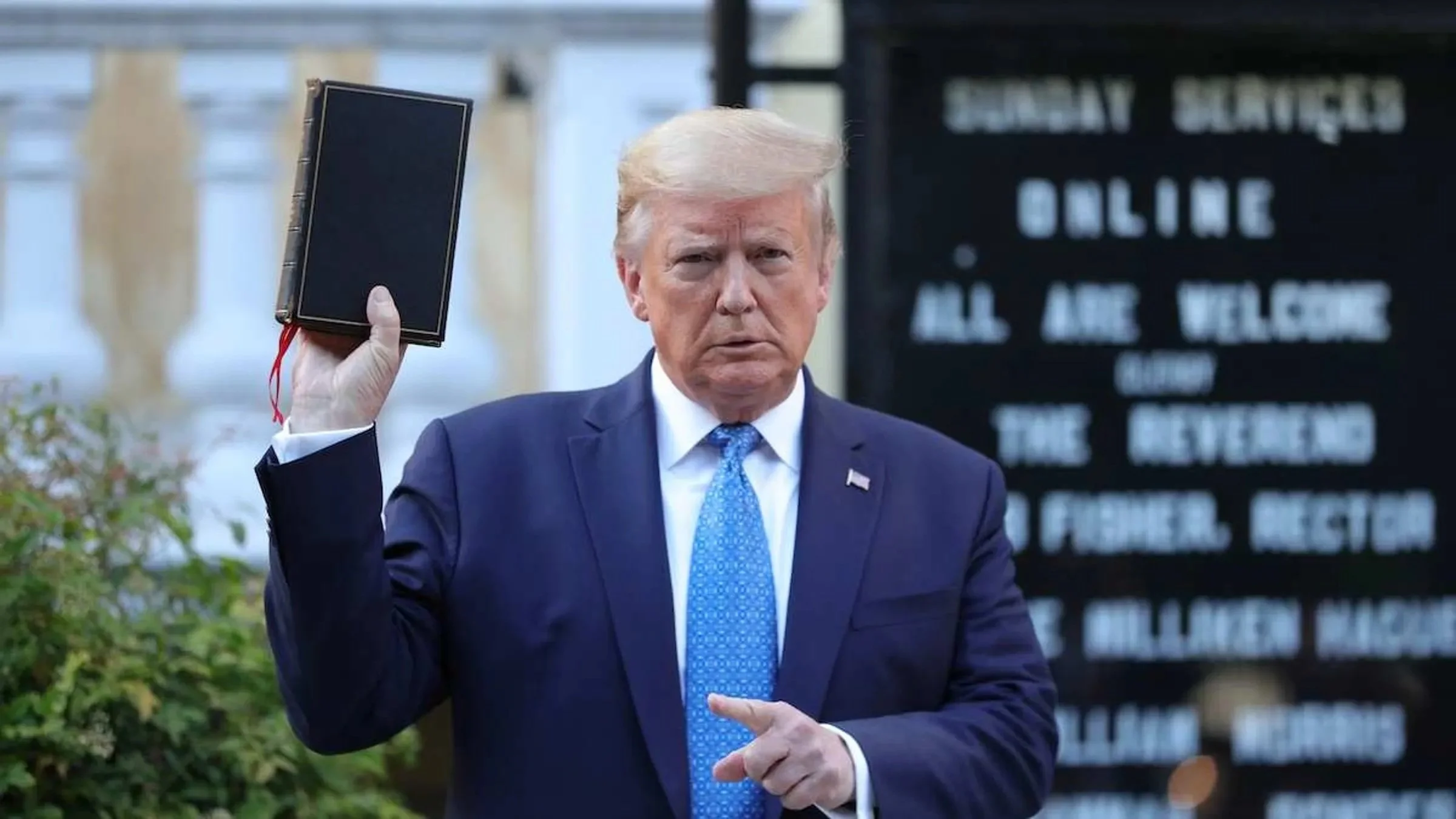
Will Trump pay a price for tangling with the pope?
Tonight at 6 p.m. EST, US President Donald Trump will be featured in “America Reads The Bible,” reciting a verse from the holy book in the Oval Office. The week-long event will see five hundred people, including Trump, Secretary of State Marco Rubio, Defense Secretary Pete Hegseth, and White House Chief of Staff Susie Wiles, read the Bible in its entirety in a series of live and prerecorded segments. All the participants are Republican; organizers say they invited Democratic members of Congress, but that none responded.
The event has been a year in the making, but the timing is ironic. It comes as Trump’s relationship with Christians is suddenly in unusual flux. Last Tuesday, he clashed with Pope Leo XIV, the first American pontiff, calling him “WEAK on Crime, and terrible for Foreign Policy” after the Catholic leader criticized Trump’s threat to wipe out Iran’s “whole civilization.”

Période trouble pour Pierre Poilievre
L’atteinte d’une majorité libérale via les élections partielles et les défections conservatrices soulèvent de nouvelles questions quant au leadership de Pierre Poilievre, quelques mois à peine après avoir obtenu plus de 87% d’appui lors de sa révision de leadership. Avant d'entrer à leur réunion, des députés conservateurs ont toutefois rejeté les inquiétudes concernant la performance du parti et l'unité au sein du caucus. Tasha Kheiriddin, analyste conservatrice, et Dimitri Soudas, ancien directeur des communications de Stephen Harper se penchent avec Marc-André Cossette sur la situation difficile de M. Poilievre
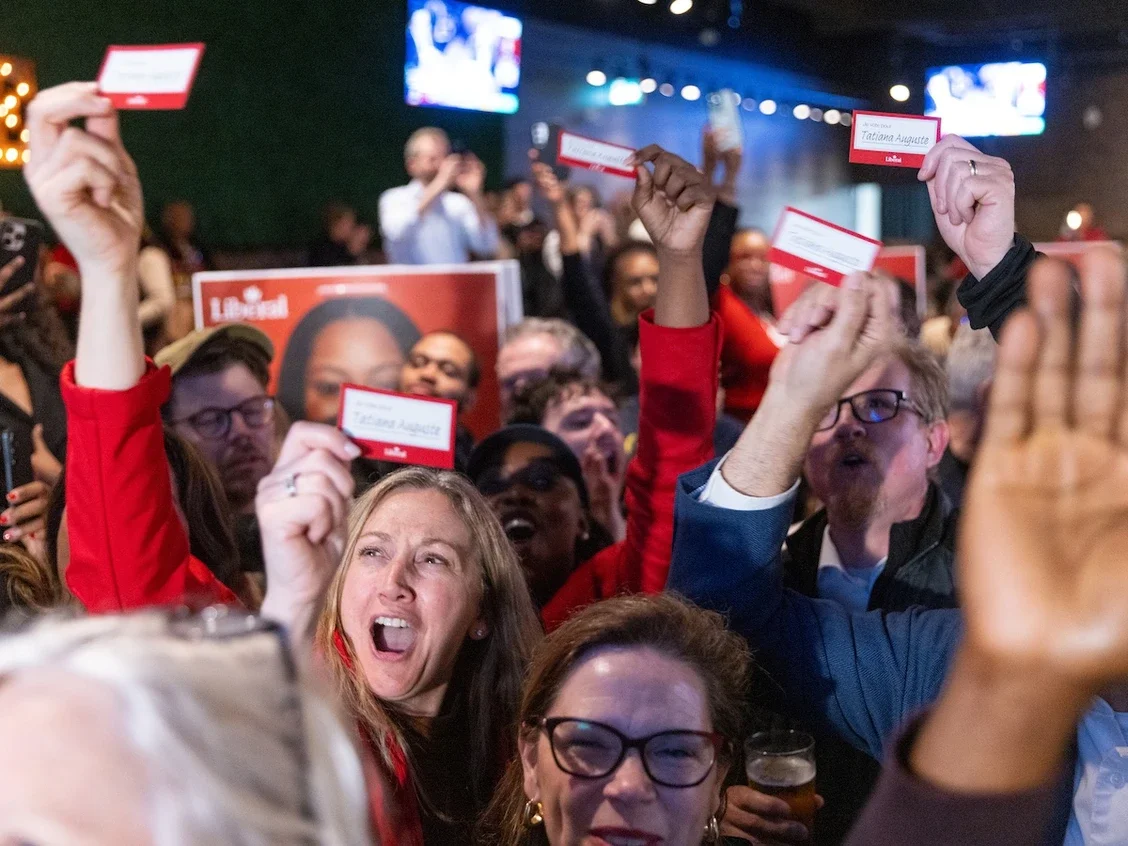
Why Liberal Terrebonne win could push more Conservative MPs to flee
Lots of ink has already been spilled on the impact of Prime Minister Mark Carney’s historic majority: the implications for the Liberal agenda, for House of Commons committees, and for the country. But one byelection matters more than the others: the riding of Terrebonne, which saw Liberal candidate Tatiana Auguste score a victory in traditional Bloc Québécois territory with a 731-vote margin, and which could reshape politics in both Quebec and Ottawa.
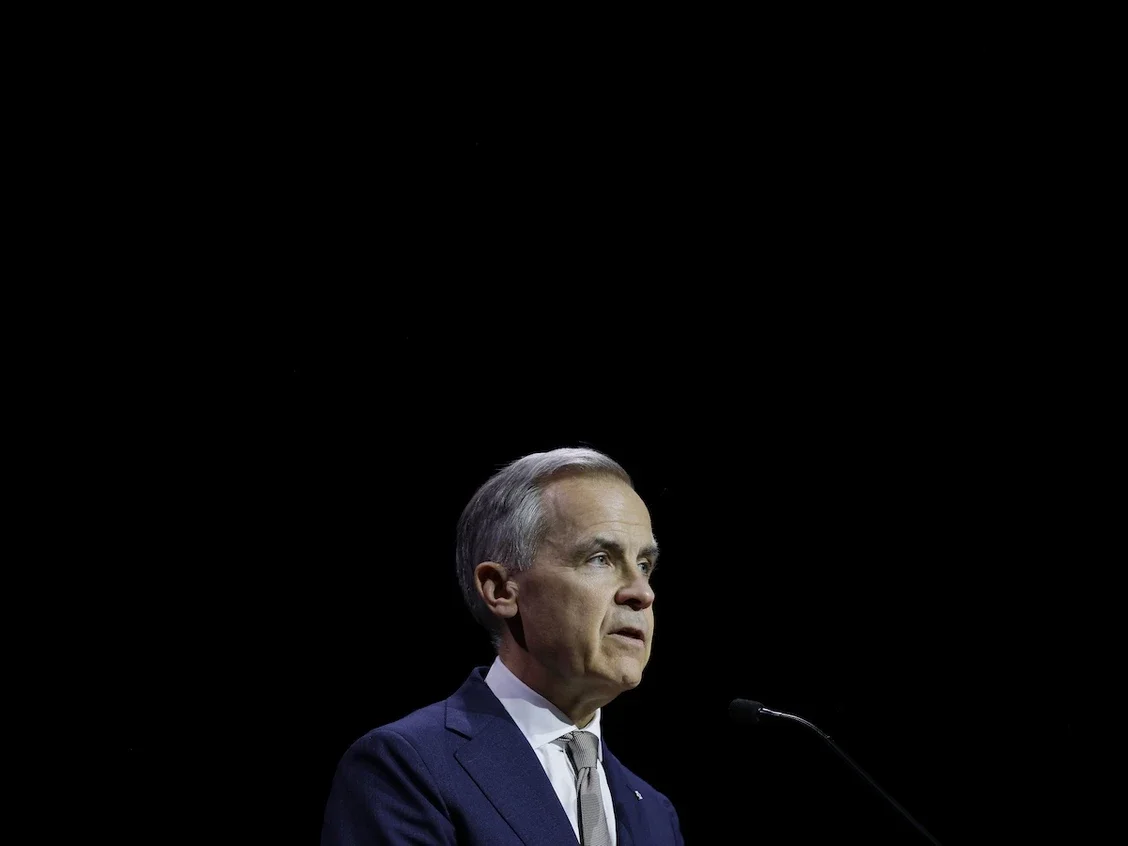
Get ready for Mark Carney unencumbered
Prime Minister Mark Carney has secured the first Liberal government since 2019. That’s right — in case you hadn’t noticed, Canada has been operating under minority governments for seven years. Two were won by Justin Trudeau in 2019 and 2021, one by Carney in 2025. Trudeau’s minorities necessitated significant compromise with the NDP; from 2021 until the fall of 2024, he was bound by a supply and confidence agreement with then NDP leader Jagmeet Singh, who extracted a series of concessions on childcare, dental care, and pharmacare.
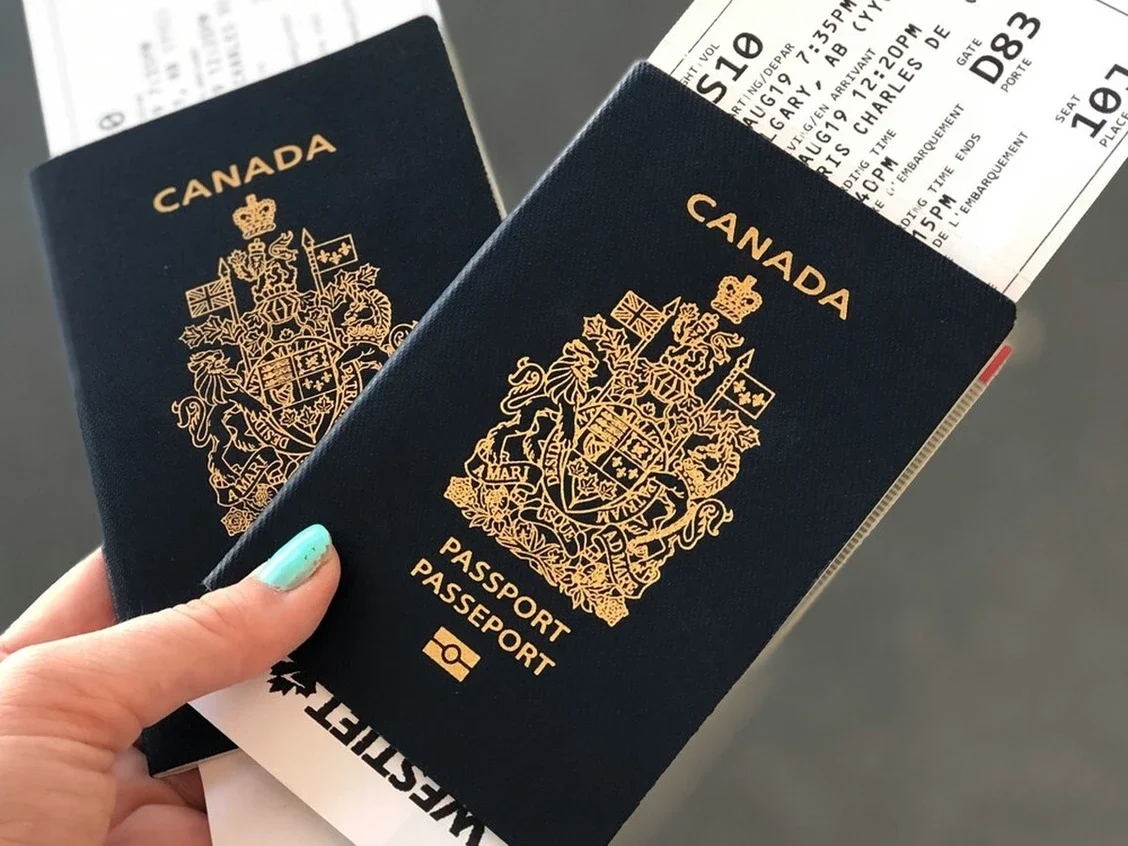
Bill C-12 will not solve Canada's immigration problems
Last month, Bill C-12, the Strengthening Canada’s Immigration System and Borders Act received royal assent. The law gives the Minister of Immigration, Lena Diab, the power to pause applications “in the public interest.” It also retroactively bars persons with expired one-year permits (such as student visas, or temporary work permits) from subsequently filing refugee claims, as they can now do when other avenues to permanent residency are closed. It also eliminates the loophole whereby persons who enter the country illegally and remain undetected for 14 days can also file a refugee claim, under the Canada-U.S. Safe Third Country Agreement.
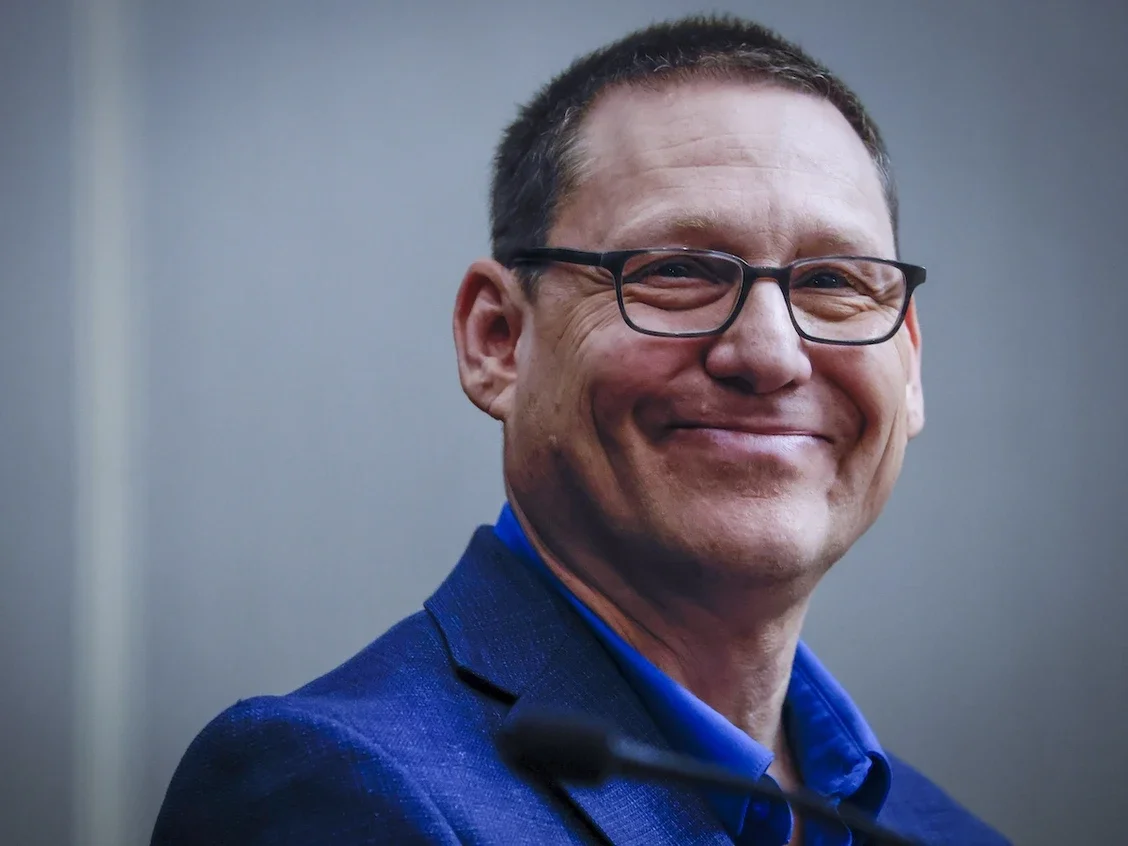
Avi Lewis could spoil the Liberals' chances next election
It’s back to the future for the NDP — and then some. Last weekend the party elected 58-year-old filmmaker Avi Lewis as party leader. During his campaign, Lewis pledged to impose a wealth tax, stop oil and gas exploration, implement national rent control, and set up public grocery stores. Ed Broadbent, the NDP leader who wanted to nationalize banks back in the 1970’s, would be proud.
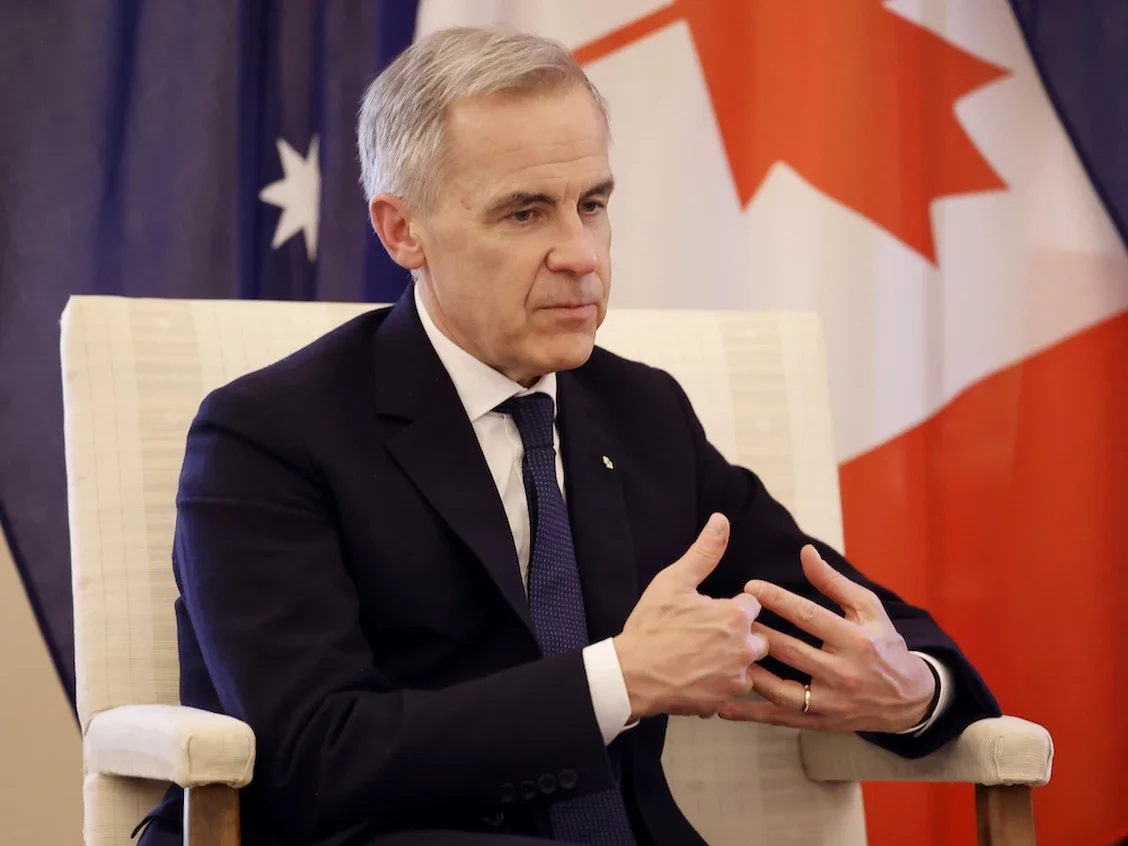
Carney's coveted majority remains just out of reach
Has the war in Iran torpedoed a federal election in Canada? Just two weeks ago, speculation abounded that Prime Minister Mark Carney might call a vote to capitalize on sky-high polling numbers and his desire for a majority mandate. But 10 days into Operation Epic Fury, the likelihood of Canadians going to the polls this spring has radically diminished.
Article content
The conflict may be happening half a world away, but it involves key allies, the United States and Israel. Violence has spilled over here at home, with shots fired at synagogues and the U.S. consulate in Toronto. Oil prices are soaring, which benefits Alberta but hurts consumers. The entire situation demands that our government govern rather than campaign.
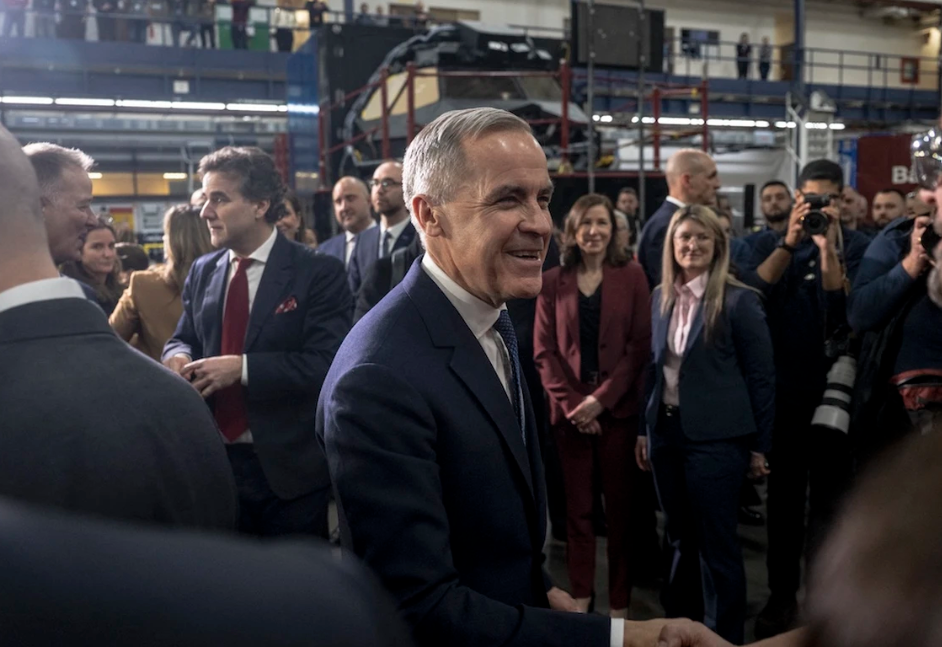
Carney’s defense strategy is a plan to bloat the bureaucracy
Canada’s defence industry got a $6.6 billion boost Tuesday, as Prime Minister Mark Carney formally unveiled Ottawa’s new Defence Industrial Strategy. The plan promises to create 125,000 new jobs over 10 years and award 70 per cent of defence contracts to Canadian companies, through a “Build-Partner-Buy” framework that prioritizes domestic industry. It is part of the government’s plan to increase Canadian military spending to five per cent of GDP by 2035, in line with NATO targets.

A Bridge Too Far
Bridgegate, F-35s, and why we are staying so quiet when China – our new “strategic partner” – jails a free speech advocate. Our wise person panel joins No Nonsense, Tasha Kheiriddin, Margaret McCuaig-Johnston, and Mark Norman.
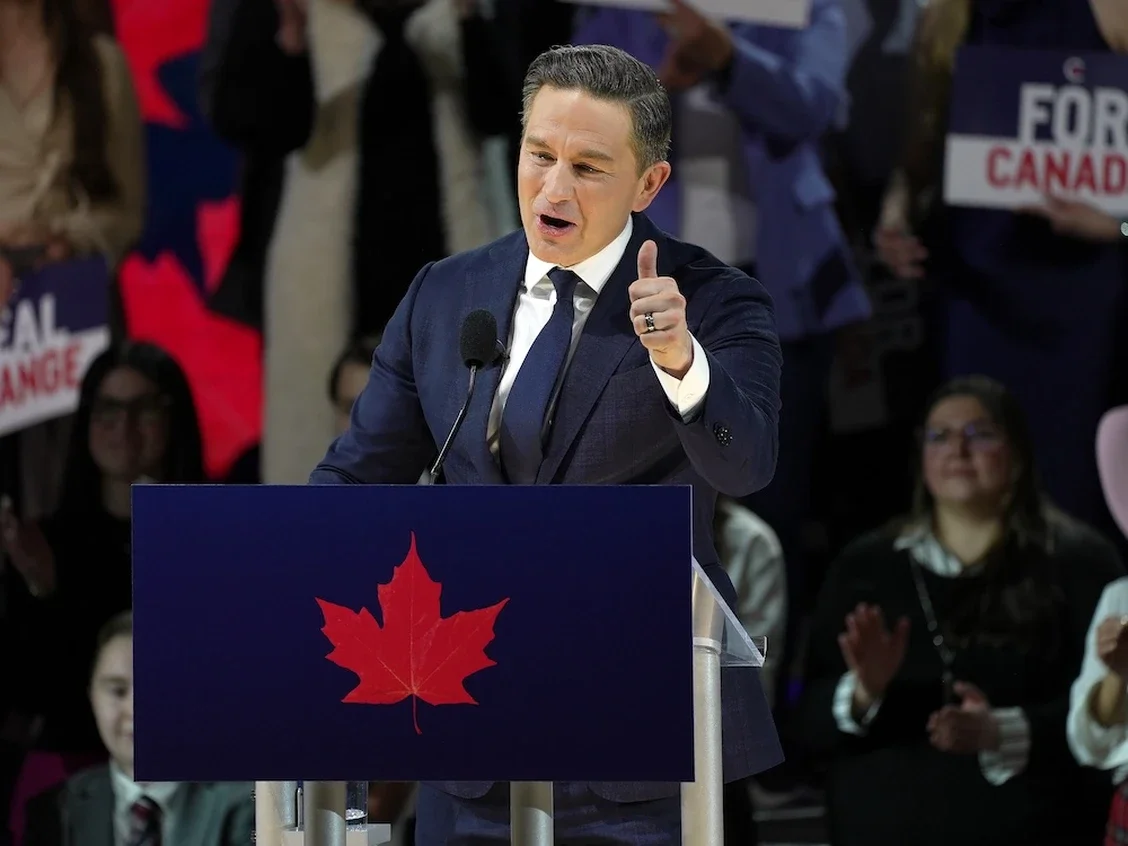
Poilievre better figure out how to talk about Trump or it's over for him
Pierre Poilievre did a lot right at the CPC convention last weekend. He got an 87.4 per cent approval rating, higher than most pundits predicted. He revealed a human side when he spoke about his autistic daughter and the family time he has sacrificed for politics. And he pledged to give the party’s grassroots more control over nominations, an issue that has festered since the last election. But there was one thing Poilievre did not do: tell Canadians how he would handle U.S. President Donald Trump.
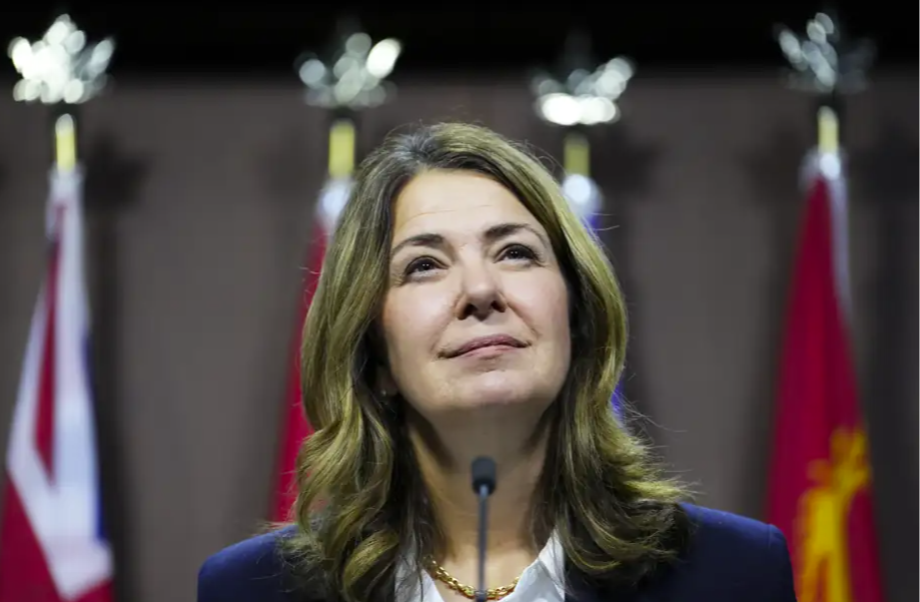
L’Alberta prépare-t-elle le démantèlement du Canada ?
La première ministre de l’Alberta, Danielle Smith, pourrait être en train de tracer sa propre « troisième voie » pour l’Alberta, en insistant pour qu’Ottawa inscrive un deuxième oléoduc vers le Pacifique sur sa liste de « grands projets » d’intérêt national. C’est un pari qui pourrait conduire la province à se détacher du pays – voire à rejoindre les États-Unis.
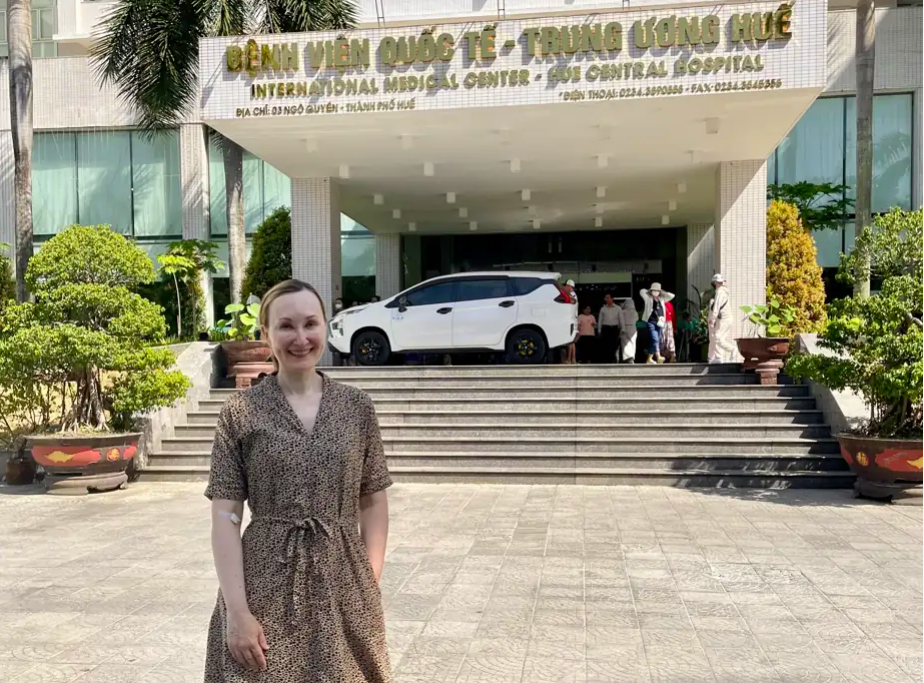
Le tourisme médical m’a peut-être sauvé la vie
« Nous devons vérifier s’il s’agit d’un cancer. » S’il y a des mots que l’on ne veut jamais entendre de la bouche de notre médecin, ceux-là figurent en tête de liste. Je les ai entendus le 3 juillet. J’étais abasourdie. On m’avait diagnostiqué deux gros fibromes utérins, une affection assez courante : de 70 à 80 % des femmes âgées de plus de 50 ans en souffrent. Ce sont des tumeurs bénignes qui peuvent causer des menstruations abondantes, des douleurs abdominales, des ballonnements et des troubles digestifs si elles exercent une pression sur les intestins.
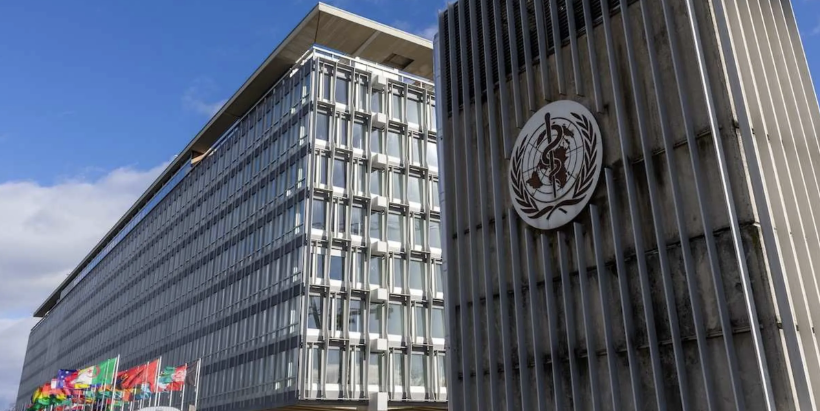
America’s WHO exit leaves a leadership vacuum
Seventy-eight years after helping found the World Health Organization (WHO), the United States has formally withdrawn from the agency, following through on a pledge President Donald Trump made on his first day back in office.
In a joint statement last week, the Department of Health and Human Services (HHS) and the Department of State said the WHO had "abandoned its core mission,” and repeatedly acted against US interests. The administration pointed to what it says was the WHO’s mishandling of the COVID-19 pandemic, its failure to adopt reforms, and an “inability to demonstrate independence from the inappropriate political influence” from member states, notably China.
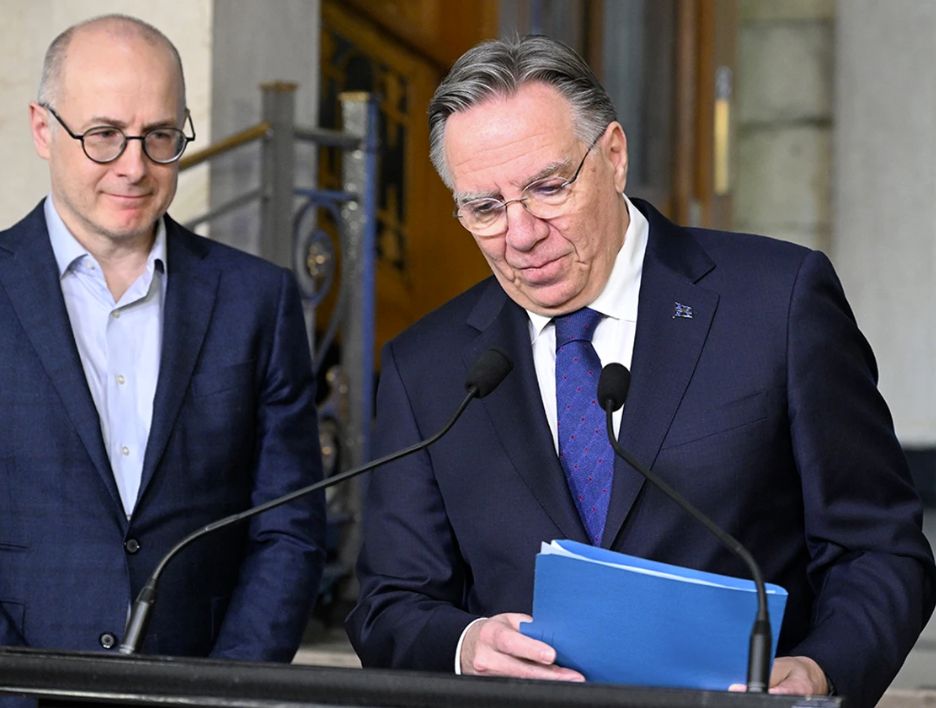
Legault's departure may signal a return to the past for Quebec
Quebec Premier François Legault announced Wednesday that he is resigning as leader of the Coalition Avenir Québec and as premier, to step aside once a successor is chosen. In a hastily-called press conference (his own caucus was only brought in the loop that morning), Legault said, “I can see that many Quebecers currently want change and a change of premier, so I am announcing that, for the good of Quebec, I will be stepping down.”